
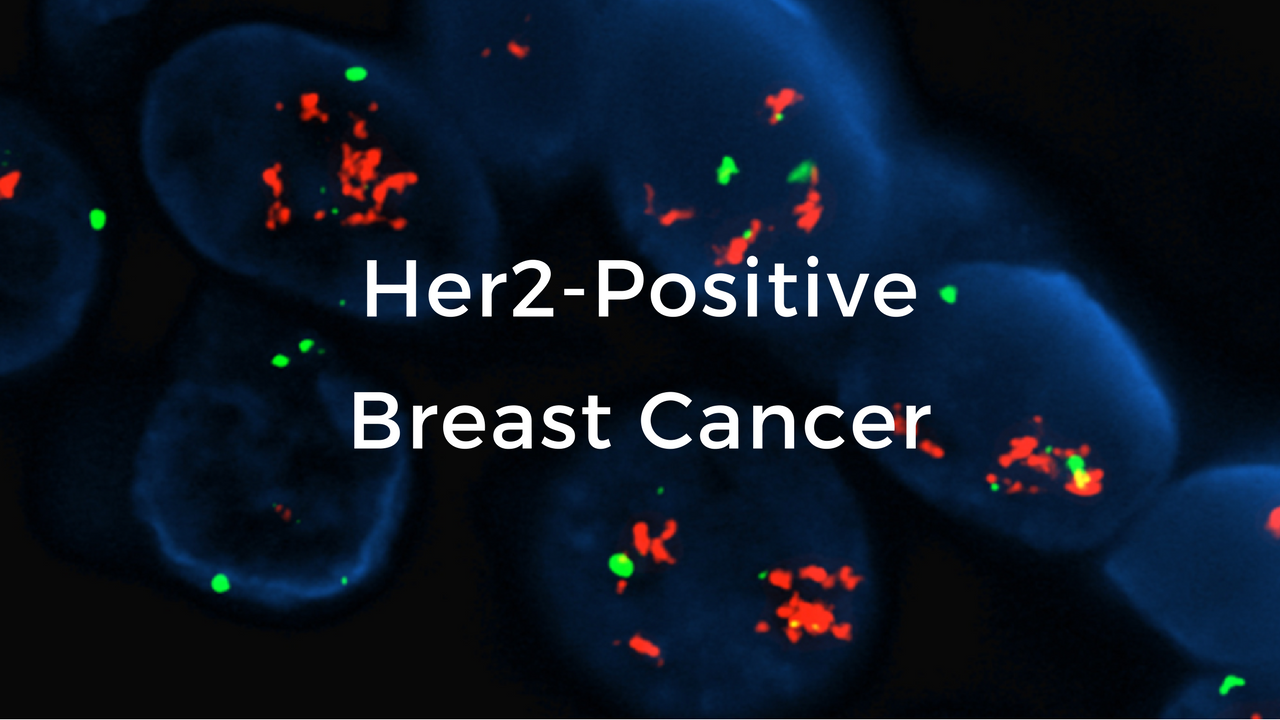
Targeted Therapy for HER2-Positive Breast Cancer:
HER2-Positive
Breast cancer is not a one-size-fits-all disease. Each person’s diagnosis is unique, depending on specific genetic and biological factors. One particular type, HER2-positive breast cancer, tends to grow and spread faster than other breast cancers. Thankfully, scientific advancements have led to the development of targeted therapies that specifically address the HER2 protein — offering new hope, improved survival rates, and a better quality of life.
In this article, we’ll explore what HER2-positive breast cancer means, how targeted therapy works, common treatment options, and lifestyle tips for those undergoing treatment.
Understanding HER2-Positive Breast Cancer
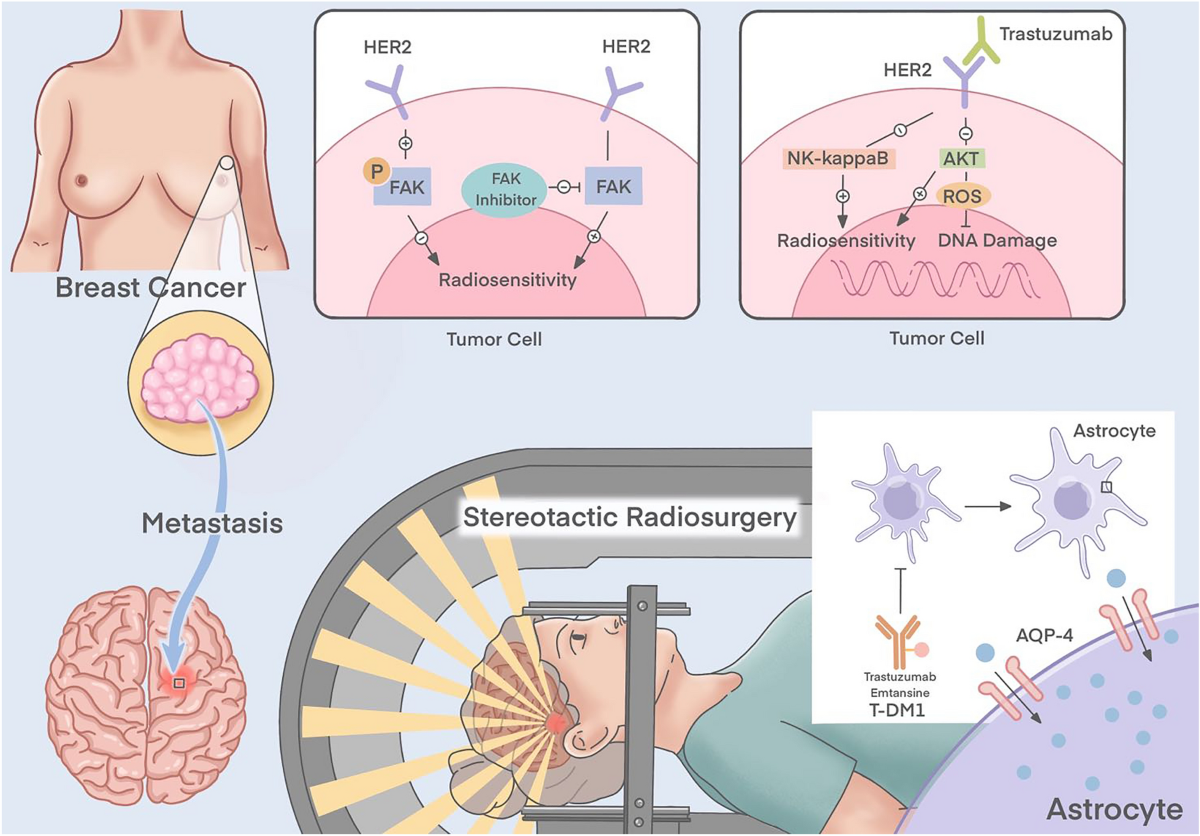
HER2 stands for Human Epidermal Growth Factor Receptor 2 — a protein found on the surface of breast cells that helps them grow and divide. In HER2-positive breast cancer, the body produces too much HER2, leading to uncontrolled cell growth.
This type accounts for roughly 20% of all breast cancer cases.
In the past, HER2-positive breast cancer was considered more aggressive and difficult to treat. However, with the introduction of targeted therapy drugs, the outlook for patients has dramatically improved. Today, many women with HER2-positive breast cancer go on to live long, healthy lives after treatment.
What Is Targeted Therapy?
Unlike traditional chemotherapy, which attacks all rapidly dividing cells (including healthy ones), targeted therapy focuses only on the cancer cells that overexpress the HER2 protein.
Think of it like a key fitting into a specific lock — these drugs identify and “lock” onto the HER2 receptors, stopping the cancer cells from multiplying.
The main goals of targeted therapy are to:
-
Slow or stop cancer growth.
-
Destroy HER2-positive cancer cells.
-
Prevent recurrence or metastasis.
-
Work alongside chemotherapy or hormone therapy for better outcomes.
Common Targeted Therapies for HER2-Positive Breast Cancer
1. Trastuzumab (Herceptin)
Herceptin was the first breakthrough drug for HER2-positive breast cancer. It works by binding to the HER2 receptor, preventing it from sending growth signals to the cancer cells. It’s often given intravenously every few weeks, usually in combination with chemotherapy.
Patients treated with trastuzumab have shown a significant reduction in recurrence rates and improved overall survival.
2. Pertuzumab (Perjeta)
Pertuzumab works similarly to Herceptin but attaches to a different part of the HER2 receptor. When used together, they provide a dual blockade, making it harder for cancer cells to survive.
This combination is commonly used before surgery (neoadjuvant therapy) or for advanced cancer.
3. Ado-trastuzumab emtansine (Kadcyla or T-DM1)
Kadcyla combines Herceptin with a chemotherapy drug. This “smart drug” delivers chemotherapy directly to HER2-positive cancer cells, minimizing damage to healthy tissues. It’s often used when cancer returns or continues after Herceptin and chemotherapy.
4. Fam-trastuzumab deruxtecan (Enhertu)
Enhertu is an advanced antibody-drug conjugate approved for patients who have already received multiple HER2 therapies. It provides targeted chemotherapy delivery and is showing remarkable results even in cases where other treatments have failed.
5. Lapatinib (Tykerb)
Lapatinib is a pill that works inside the cancer cells by blocking HER2 signals from the inside out. It’s often used when other HER2 drugs stop working, especially for metastatic breast cancer.
How Targeted Therapy Is Given
The way targeted therapy is administered depends on the specific drug and the stage of cancer:
-
Intravenous (IV): Many HER2 drugs like Herceptin and Perjeta are given through IV infusions every few weeks.
-
Oral medications: Some therapies like Lapatinib come in pill form for home use.
-
Combination therapy: Targeted drugs are often combined with chemotherapy, hormone therapy, or immunotherapy to increase effectiveness.
Treatment duration may range from 6 months to 1 year, depending on your doctor’s recommendation and response to therapy.
Possible Side Effects and How to Manage Them
While targeted therapies are generally better tolerated than chemotherapy, they still come with side effects. Common ones include:
-
Fatigue
-
Nausea
-
Diarrhea
-
Low white blood cell count
-
Mild heart problems (especially with Herceptin)
Tips for managing side effects:
-
Stay hydrated and eat small, balanced meals throughout the day.
-
Monitor your heart health regularly through echocardiograms.
-
Practice gentle exercises like yoga or walking to reduce fatigue.
-
Inform your oncologist about any unusual symptoms right away.
The Emotional Journey: Staying Strong During Treatment
Dealing with breast cancer isn’t just about physical healing — it’s also an emotional journey. Many women feel fear, uncertainty, or anxiety during treatment.
It helps to:
-
Join breast cancer support groups (online or local).
-
Talk openly with loved ones about your feelings.
-
Practice mindfulness, meditation, or journaling.
-
Celebrate small victories — completing each cycle of treatment is a step toward recovery.
Remember: You are not alone. Thousands of women have walked this path before you and emerged stronger.
Healthy Lifestyle Tips for Better Recovery
Targeted therapy works best when combined with a healthy lifestyle. Here are some simple yet powerful steps:
-
Eat a nutrient-rich diet: Focus on fruits, vegetables, lean protein, and whole grains.
-
Avoid alcohol and smoking: They can interfere with your treatment and recovery.
-
Stay active: Even light physical activity improves mood and helps maintain strength.
-
Sleep well: Adequate rest supports immune function and reduces fatigue.
-
Regular check-ups: Follow your doctor’s schedule for scans and tests.
The Future of Targeted Therapy
The field of oncology is evolving quickly.
Researchers are also exploring immunotherapy combined with targeted therapy, which may further boost survival rates and reduce recurrence in HER2-positive patients.
With each scientific advancement, we move closer to transforming breast cancer from a life-threatening disease into a manageable condition.
Conclusion
Targeted therapy for HER2-positive breast cancer has revolutionized how doctors approach treatment. What was once considered a highly aggressive cancer type now has some of the best survival outcomes thanks to precision medicine.
If you or someone you love has been diagnosed with HER2-positive breast cancer, know that there is hope. With early detection, the right treatment plan, and a strong support system, it’s possible to beat cancer and reclaim your life.