
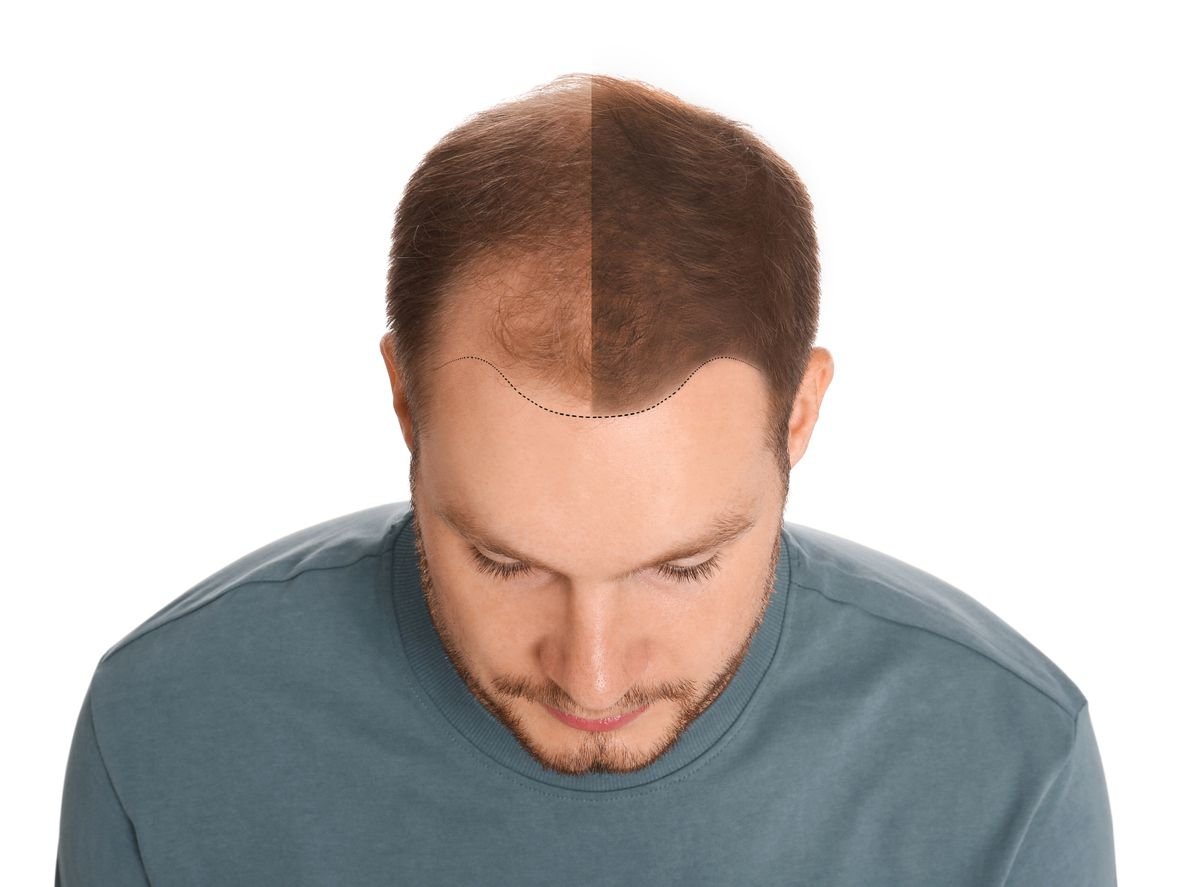
Does Finasteride work for receding hairlines?

This article was reviewed by Darragh O’Carroll, MD.
Can Finasteride Regrow a Receding Hairline?
Noticing a receding or M-shaped hairline can be frustrating, but you’re not alone.
Millions of men turn to treatments like oral finasteride to slow hair loss and potentially regrow thinning areas. But can finasteride regrow a receding hairline, or is it just hype?
Well, finasteride can definitely slow and prevent hair loss, but new hair growth is trickier.
Below, we cover exactly what finasteride is, how finasteride works, whether it works well for a receding hairline, and potential side effects to be aware of.
What Is Finasteride?
First, a quick recap on finasteride to get us all on the same page. Finasteride is a medication used by millions of people around the world to treat hair loss.
Sold under the brand name Propecia®, oral finasteride is approved by the U.S. Food and Drug Administration (FDA) specifically for treating male pattern baldness (also known as androgenetic alopecia).
With male pattern hair loss, you lose hair in a specific area, like the crown of the head or the hairline.
Can Finasteride Regrow Your Hairline?
Finasteride can slow down a receding hairline, but it might not always help with hair regrowth.
Finasteride belongs to a class of medications called 5-alpha-reductase inhibitors (or 5ARIs), also known as DHT blockers. It’s usually taken as a once-daily pill.
5-alpha-reductase is an enzyme that converts testosterone — the primary male hormone — into a more potent hormone: DHT (dihydrotestosterone).
DHT can bind to receptors in your hair follicles and cause them to gradually shrink. This prevents new hairs from growing out of those follicles. As a result, when your existing hair shaft reaches the end of its life cycle, it falls out, and new hair doesn’t grow in its place.
Over time, the process can lead to hair thinning and male pattern baldness. This condition is characterized by noticeable hair loss on specific parts of the scalp, including the hairline and crown (vertex) area.
Not everyone is sensitive to the effects of DHT. Genetics play a role in whether you experience male pattern hair loss. Your genes may also determine where your hair loss begins — at the hairline or crown, for instance.
Interestingly, the hair follicles on the back and sides of your scalp are more resistant to DHT, so they’re less likely to be affected by male pattern baldness.
Research on Finasteride and Receding Hairlines
Research shows that oral finasteride reduces DHT levels by around 70 percent. For most men, this is enough to produce a noticeable reduction in hair loss.
While most studies focus on finasteride’s effects on crown hair loss, it may also help with a receding hairline. A 1999 clinical trial found a significant increase in hair count at the front of the scalp compared to placebo, suggesting it can impact frontal hair loss when used consistently over a year.
More recently, a 10-year study published in 2019 showed that 99% of men on finasteride experienced no further hair loss, and 91.5% saw visible improvement in hair growth.
These findings suggest finasteride isn’t just about prevention. It may help promote regrowth too.
How Long Does It Take Finasteride to Work for a Receding Hairline?
So, how long after starting treatment can you expect to see hairline finasteride results?
There’s no hard-and-fast rule for how long finasteride takes to work. While it can start reducing your DHT levels immediately, it’ll likely be several months before you notice a difference.
That’s because hair is pretty slow to grow. Hair usually only grows about a half-inch per month, and new hair growth can be even slower.
The package insert for oral finasteride notes that you typically need to take it for at least three months before noticing a change.
How to Use Finasteride for a Receding Hairline
You got your prescription for finasteride, and you’re ready to stop further hair loss in its tracks. But what’s the best way to use finasteride for a receding hairline?
Finasteride is typically taken as a 1mg oral tablet once a day. Staying consistent is key—it may take three to six months to notice results, since hair grows slowly.
Don’t increase the dose without medical supervision, as higher amounts don’t boost effectiveness and may raise the risk of side effects, like ED.
For better results, some healthcare providers recommend combining oral finasteride with topical treatments, like minoxidil. This dual approach may help boost hair density, especially along the hairline.
Combining Finasteride With Minoxidil
Many men combine finasteride with minoxidil, another FDA-approved hair loss treatment (and the active ingredient in brand-name Rogaine®), to target hair thinning from multiple angles.
While finasteride blocks DHT to prevent follicle shrinkage, minoxidil likely works in several ways.
Research suggests a combo of finasteride and minoxidil works better than either treatment alone. Finasteride tends to be more effective overall, but minoxidil adds an extra layer of support, especially when applied directly to the hairline.
You can find minoxidil as a foam or liquid, and it’s often paired with thickening shampoos with saw palmetto for added benefits.
Topical Finasteride for Receding Hairline
If you’re keen on finasteride but not into taking a pill every day, you’re in luck. Research shows that topical finasteride may work too. According to a 2021 clinical trial, topical finasteride offers similar results to oral finasteride.
The trial looked at 458 randomized patients with male pattern baldness and found that topical finasteride significantly improved hair count.
Another option is topical finasteride & minoxidil spray — an effective combo to apply to your receding hairline.
A 2012 randomized, double-blind study looked at 40 men with androgenetic alopecia over 24 weeks. Some used 3% minoxidil and 0.1% finasteride lotion, while others used lotion containing only 3% minoxidil.
A photographic assessment found that those who combined finasteride and minoxidil had more noticeable improvement than those who used minoxidil alone.
The great thing about using finasteride for receding hairlines? It’s safe to add other hair growth products — like topical minoxidil or medicated shampoos — to your treatment plan. Though there’s no guarantee combining them will regrow your hairline, it may stop further hair loss.
Side Effects of Finasteride for Receding Hairlines
While it’s generally well-tolerated, a small percentage of users may experience side effects when taking oral finasteride—especially related to intimate function. Possible sexual side effects include:
- Decreased libido
- ED
- Reduced semen volume
Other possible (though less common) side effects or oral finasteride include:
- Dizziness
- Skin rash
- Fatigue
- Mood changes or depression
While rare, a small number of users have reported lingering symptoms even after stopping the drug—a condition called post-finasteride syndrome (PFS). This potential risk is still being studied.
If you experience side effects from oral finasteride, seek medical advice. A healthcare professional can help you get to the bottom of the issue and, if necessary, find an alternative to finasteride.
Finasteride Receding Hairline: Final Thoughts
Once you notice your hairline thinning, you have two options: Go with the flow and embrace it (power to you!) or use a hair loss treatment to promote growth.
Finasteride is one possible remedy to stop hair loss. Here’s what to keep in mind about finasteride receding hairline treatment:
- FDA-approved finasteride is effective for androgenic alopecia (male pattern baldness). It can prevent further hair loss.
- Although some people experience hair regrowth with finasteride, there’s no guarantee it’ll regrow a receding hairline.
- Add finasteride to your hair care routine sooner rather than later. Since the medication isn’t guaranteed to regrow your hairline, it’s best to start using it at the first sign of thinning hair to prevent the issue from worsening.
- You can combine treatment options. If you’re using finasteride for receding hairline regrowth, you can add topical remedies to your treatment plan. Other than minoxidil, a volumizing shampoo and conditioner could help. You might also consider biotin gummies to ensure your body gets all the nutrients it needs to grow strong, healthy hair.
- Related: How to Fix a Receding Hairline: 11 Effective Treatments Backed by Science
- Related: How to Reopen Hair Follicles for Hair Growth
Like MediaFeed’s content? Be sure to follow us.
This article originally appeared on Hims.com and was syndicated by MediaFeed.org.