

Early Heart Disease in Young Adults: A Growing Health Concern
Heart disease has long been viewed as a condition that affects older adults, but recent research reveals a worrying trend — more young adults are being diagnosed with early heart disease than ever before. The lifestyle we lead, the food we eat, and the stress we endure all play a crucial role in determining our heart health. Understanding the early signs and causes of heart disease can help young people take timely action and protect their hearts for the future.
Understanding Early Heart Disease

Heart disease refers to various conditions that affect the heart’s structure and function. The most common type is coronary artery disease (CAD), which occurs when the arteries supplying blood to the heart become narrowed or blocked due to plaque buildup. This can lead to chest pain, heart attacks, or other complications.
In the past, heart disease was mostly seen in people over 50. However, today’s generation is experiencing symptoms much earlier — sometimes as early as their 20s or 30s. This trend is mainly linked to modern lifestyle choices such as poor diet, lack of exercise, smoking, and high stress levels.
Causes of Early Heart Disease in Young Adults
Several factors contribute to the rise of heart disease among young adults. Some are genetic, while others are lifestyle-related. Here are the most common causes:
1. Unhealthy Diet
A diet high in saturated fats, sugar, and processed foods can increase cholesterol levels and cause artery damage over time. Fast food, sugary drinks, and excessive snacking have become a routine part of many young adults’ lives, which significantly raises heart disease risk.
2. Sedentary Lifestyle
Sitting for long hours, lack of physical activity, and overuse of technology can slow metabolism and lead to weight gain, high blood pressure, and diabetes — all of which are major contributors to heart disease.
3. Smoking and Alcohol
Smoking damages the arteries and reduces oxygen flow in the body. Meanwhile, heavy drinking can raise blood pressure and contribute to irregular heartbeats. Both habits, common among young adults, are dangerous for heart health.
4. Stress and Mental Health
The pressure to perform academically, professionally, or socially can lead to chronic stress and anxiety. Stress triggers hormones like cortisol that increase blood pressure and inflammation, eventually harming the heart.
5. Genetic Predisposition
Some young people are genetically predisposed to high cholesterol or hypertension, even if they maintain a healthy lifestyle. A family history of heart disease increases the risk and requires early medical screening.
6. Lack of Sleep
Many young adults underestimate the importance of sleep. Poor sleep or staying up late regularly can affect metabolism, blood pressure, and overall cardiovascular function.
Early Warning Signs You Shouldn’t Ignore
Heart disease doesn’t always appear suddenly — it develops gradually. Recognizing early warning signs can help prevent serious complications later. Common symptoms include:
-
Chest pain or discomfort (even mild or occasional)
-
Shortness of breath during exercise or rest
-
Unexplained fatigue or weakness
-
Dizziness or fainting
-
Irregular heartbeat or palpitations
-
Swelling in legs or ankles
If you experience any of these symptoms, it’s crucial to seek medical advice immediately. Early detection can save your life.
The Role of Lifestyle in Heart Health
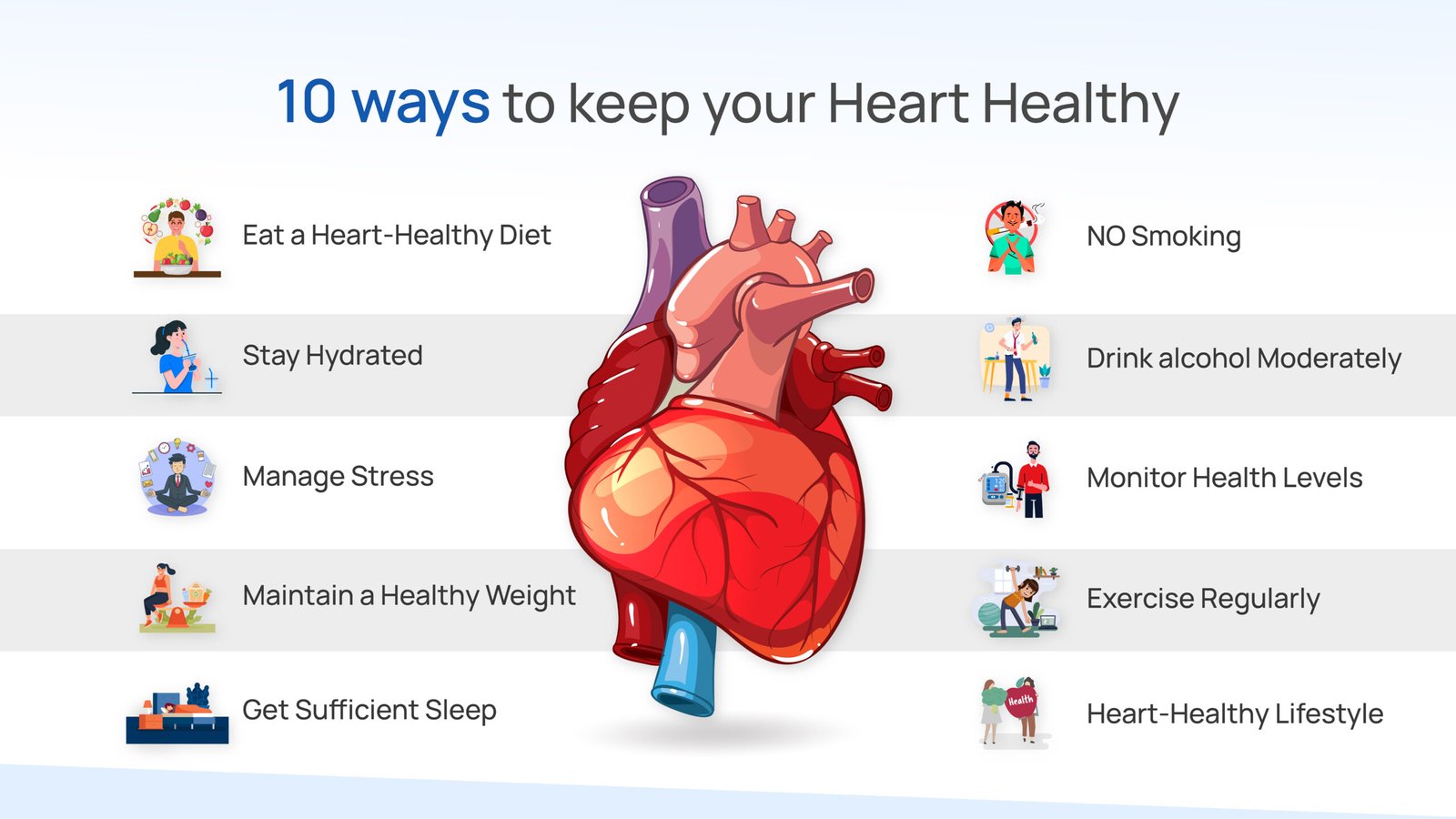
One of the most empowering facts about heart disease is that many cases are preventable through lifestyle changes. Here’s how young adults can reduce their risk:
1. Eat a Heart-Healthy Diet
Incorporate more fruits, vegetables, whole grains, nuts, and lean proteins into your meals. Avoid trans fats and refined sugars. Simple choices, like replacing soda with water or choosing baked over fried foods, can make a big difference.
2. Stay Physically Active
Aim for at least 150 minutes of moderate exercise per week. Activities like brisk walking, jogging, cycling, or dancing help maintain a healthy weight, lower blood pressure, and strengthen your heart.
3. Manage Stress
Adopt stress-relieving techniques such as yoga, meditation, or deep breathing exercises. Spending time in nature or connecting with loved ones also boosts mental well-being.
4. Avoid Smoking and Limit Alcohol
If you smoke, seek help to quit. Even occasional smoking can harm your arteries. When it comes to alcohol, moderation is key — one or two drinks a few times a week is safer than daily consumption.
5. Get Regular Check-Ups
Routine medical check-ups can detect issues like high cholesterol, diabetes, or hypertension early on. Early intervention can prevent long-term damage to the heart.
6. Prioritize Sleep
Aim for 7–8 hours of quality sleep each night. A consistent sleep routine helps regulate hormones and reduces cardiovascular stress.
The Emotional Side of Heart Health
While heart disease is physical, it’s deeply connected to emotional health. Depression, anxiety, and loneliness can increase inflammation and disrupt heart rhythm. Many young adults face emotional strain from relationships, work, or social media comparison, which silently affects heart health. Taking care of your mental well-being is just as vital as physical care.
How to Build Heart-Healthy Habits Early
Building healthy habits early in life is one of the best investments you can make for your future health. Start with small, consistent changes:
-
Replace one unhealthy meal a day with a nutritious option.
-
Walk or bike instead of using a vehicle for short distances.
-
Set a “digital detox” time before bed to improve sleep.
-
Learn to cook simple, healthy meals at home.
-
Schedule regular physical and mental health checkups.
The earlier you start, the easier it becomes to maintain good heart health for life.
Final Thoughts
Early heart disease in young adults is a silent but serious problem that deserves more attention. With today’s fast-paced lifestyle, it’s easy to ignore the warning signs until it’s too late. But prevention truly starts with awareness and action.
By adopting a balanced diet, regular exercise, stress management, and routine medical checkups, young adults can protect themselves from heart disease and lead long, vibrant lives. Remember — your heart health is not just about avoiding illness; it’s about living fully and fearlessly every day.