
Chagas Disease: The Hidden Danger Behind the “Kissing Bug” Threat
Chagas disease, often known as the “kissing bug disease,” is one of the most overlooked yet dangerous infections spreading across the Americas. Despite its poetic name, this illness has nothing romantic about it. Caused by a parasite called Trypanosoma cruzi, Chagas disease poses a serious threat to millions, especially in rural and underdeveloped regions. Understanding its causes, symptoms, and prevention can save countless lives — and raise awareness about a disease that too often goes unnoticed.
What Is Chagas Disease?
To begin with, Chagas disease is a parasitic infection primarily transmitted by insects known as kissing bugs (triatomine bugs). These insects typically bite humans around the mouth or eyes during sleep — hence the nickname. After biting, the bug releases feces containing the parasite, which can enter the body through the wound or mucous membranes. Over time, the infection can spread silently, causing severe heart and digestive problems.
How the “Kissing Bug” Spreads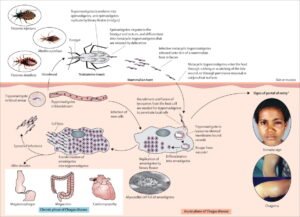
The most common route of transmission is through the bite of an infected kissing bug. However, Chagas disease can also spread through blood transfusions, organ transplants, consumption of contaminated food, or from mother to baby during pregnancy. Moreover, migration and global travel have expanded the disease beyond its original Latin American roots, making it an emerging global health issue.
Early Symptoms You Should Never Ignore
At first, Chagas disease may show mild or no symptoms, making it hard to detect. Some people may experience fever, fatigue, body aches, or swelling near the bite area. Additionally, a swollen eyelid, known as Romaña’s sign, can appear as a clear warning. Although these early symptoms fade, the parasite remains in the body, silently damaging vital organs for years.
Chronic Stage: When the Disease Turns Dangerous
If left untreated, Chagas disease can progress to a chronic stage. During this phase, individuals may develop heart arrhythmias, heart failure, or enlargement of the digestive organs such as the esophagus and colon. Unfortunately, these complications can appear decades after infection, making the disease even more dangerous. Therefore, early diagnosis and treatment are essential to prevent irreversible damage.
Diagnosis and Treatment Options
Healthcare professionals diagnose Chagas disease through blood tests that detect the presence of Trypanosoma cruzi. Once confirmed, treatment begins with antiparasitic medications such as benznidazole or nifurtimox. These drugs work best when the disease is caught early. Furthermore, managing heart and digestive symptoms requires regular medical monitoring. Even though there’s no vaccine yet, modern treatments can significantly improve the quality of life and reduce complications.
Prevention Is the Best Protection
Since Chagas disease spreads mostly through insect contact, prevention plays a key role. People living in risk areas should use bed nets, seal cracks in walls, and keep homes clean to discourage kissing bugs from nesting. In addition, screening blood donations and educating communities can drastically cut transmission rates. With proper awareness and hygiene, this disease can be controlled before it claims more lives.
Global Awareness and the Fight Ahead
In recent years, health organizations have emphasized the importance of raising awareness about Chagas disease. Although it affects over 6 million people worldwide, many remain undiagnosed. By improving education, access to healthcare, and vector control programs, we can take strong steps toward eliminating this neglected tropical disease. Moreover, global partnerships and research are paving the way for better diagnostic tools and future vaccines.
The Bottom Line
Ultimately, Chagas disease is a silent invader that can destroy lives if ignored. Recognizing its symptoms, understanding its transmission, and promoting early treatment can make a huge difference. As the world becomes more connected, awareness about the “kissing bug disease” is more critical than ever. Together, through knowledge and prevention, we can protect communities and stop Chagas disease from spreading further.