
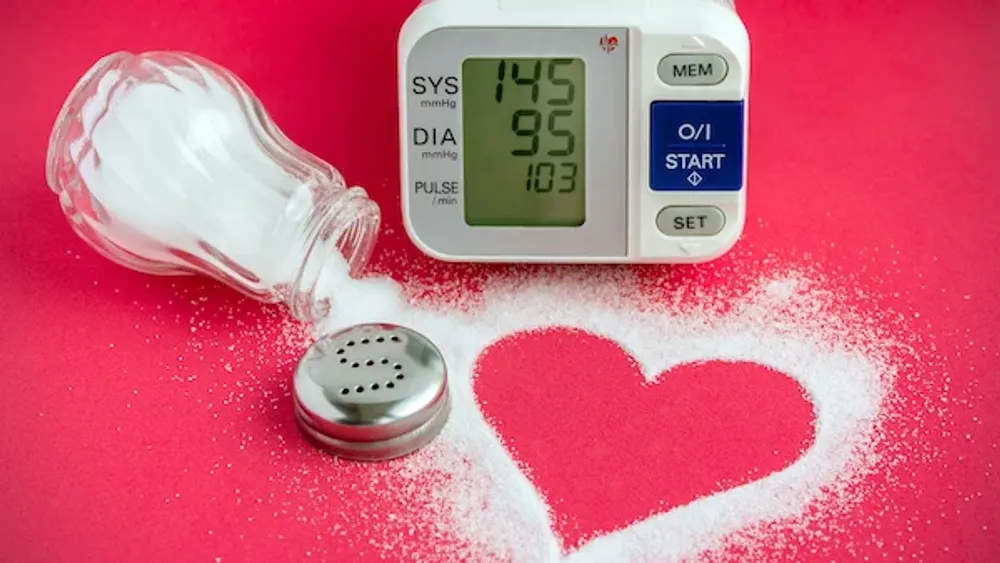
Why Young Americans Face High Blood Pressure
High blood pressure, also known as hypertension, was once considered a health issue mainly affecting older adults. However, in recent years, a worrying trend has emerged in the United States: people in their 20s and 30s are increasingly being diagnosed with high blood pressure. Many young adults are shocked when they hear this diagnosis, especially if they feel otherwise healthy. Understanding why this is happening and what you can monitor at home is the first step toward protecting your long-term heart health.
The Rising Problem of High Blood Pressure in Young Adults
High blood pressure develops when the force of blood pushing against the artery walls stays consistently too high. Over time, this extra pressure can damage blood vessels and vital organs like the heart, kidneys, and brain. The rise of hypertension among younger adults is not due to a single cause. Instead, it is linked to lifestyle changes, daily habits, and modern-day stressors that have quietly become part of everyday life.
Many people in their 20s and 30s do not visit doctors regularly, so high blood pressure often goes unnoticed for years. This makes the condition even more dangerous, as untreated hypertension can silently increase the risk of heart disease and stroke later in life.
Poor Diet and High Sodium Intake

Excess sodium causes the body to retain water, which increases blood volume and raises blood pressure. Many young people unknowingly consume more than the recommended daily sodium limit, especially when eating out or relying on processed foods. Over time, this habit puts continuous strain on the heart and blood vessels.
Sedentary Lifestyle and Lack of Exercise
Another major reason for rising blood pressure in younger age groups is physical inactivity. Desk jobs, long screen time, and limited movement throughout the day reduce overall cardiovascular fitness. Regular physical activity helps keep blood vessels flexible and supports healthy blood flow.
When exercise is missing from daily routines, the heart has to work harder to pump blood, which can gradually increase blood pressure. Even modest weight gain due to inactivity can significantly impact blood pressure levels.
Chronic Stress and Mental Pressure
Stress plays a powerful role in the development of high blood pressure. Young adults today often face financial pressure, career uncertainty, academic stress, and social expectations. While stress itself may not directly cause long-term hypertension, chronic stress can lead to unhealthy coping behaviors such as overeating, smoking, excessive caffeine intake, or alcohol use.
Stress hormones like cortisol can temporarily raise blood pressure. When stress becomes constant, these temporary spikes may turn into a long-term problem.
Poor Sleep Habits
Sleep deprivation is common among people in their 20s and 30s. Late nights, irregular sleep schedules, and excessive screen use before bedtime can interfere with quality sleep. Poor sleep affects the body’s ability to regulate stress hormones and blood pressure.
Conditions like sleep apnea, which is increasingly seen in younger adults, are also linked to high blood pressure. Consistently getting less than six hours of quality sleep may increase the risk of developing hypertension.
Alcohol, Smoking, and Stimulant Use
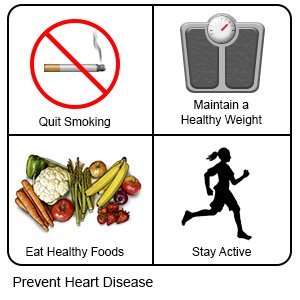
Regular alcohol consumption and smoking significantly raise blood pressure levels. Even occasional binge drinking can cause temporary spikes that may lead to long-term damage. Nicotine narrows blood vessels and forces the heart to beat faster, raising blood pressure almost immediately.
Energy drinks and excessive caffeine intake, which are popular among young adults, can also contribute to higher blood pressure when consumed frequently.
Family History and Genetics
Genetics also play an important role. If high blood pressure runs in your family, you may be more likely to develop it at a younger age. While you cannot change your genetic makeup, being aware of your family history can motivate you to monitor your health more closely and adopt preventive habits early.
What to Check at Home to Monitor Blood Pressure
Monitoring your health at home is one of the most effective ways to catch high blood pressure early. You do not need advanced medical equipment to stay informed.
Regular Blood Pressure Readings
Investing in a reliable digital blood pressure monitor can help you track your readings at home. Measure your blood pressure at the same time each day, preferably in the morning, while sitting calmly. Keeping a record allows you to notice patterns and share accurate information with your healthcare provider.
Body Weight and Waist Size
Weight gain, especially around the abdomen, is closely linked to high blood pressure. Regularly checking your weight and waist circumference can provide early warning signs. Even small reductions in weight can lead to noticeable improvements in blood pressure.
Heart Rate and Physical Activity Levels
Pay attention to your resting heart rate and how active you are throughout the week. Wearable fitness trackers can be useful, but simple awareness also works. Aim for at least 30 minutes of moderate physical activity most days of the week.
Salt and Fluid Intake Awareness
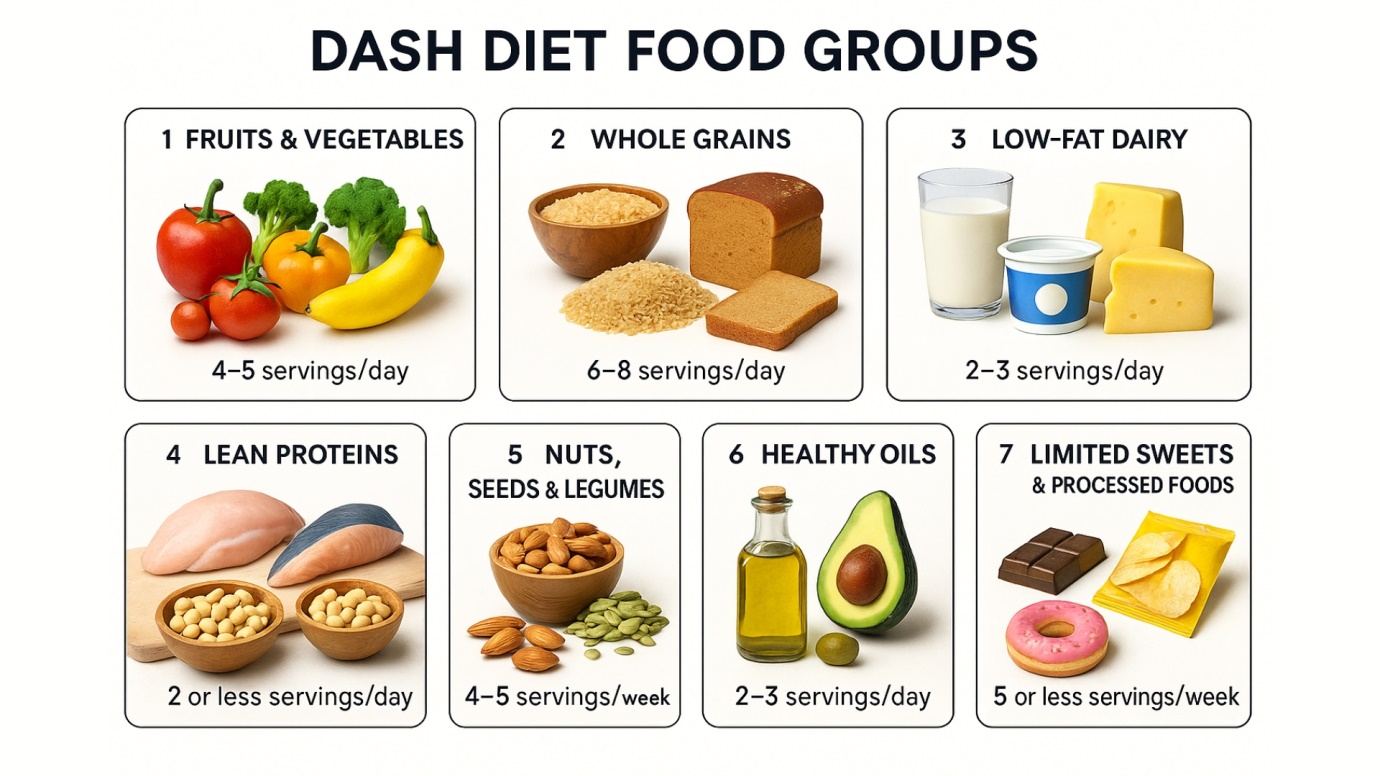
Being mindful of how much salt and processed food you consume can make a big difference. Cooking more meals at home and reading nutrition labels helps control sodium intake. Staying properly hydrated also supports healthy blood circulation.
Stress Levels and Sleep Quality
Take note of how stressed you feel daily and how well you sleep at night. Simple practices like deep breathing, meditation, journaling, and limiting screen time before bed can improve both stress and blood pressure levels.
When to Seek Medical Advice
If your home blood pressure readings are consistently higher than normal, do not ignore them. Early medical advice can prevent long-term complications. A healthcare provider may recommend lifestyle changes, further testing, or medication if needed.
Final Thoughts
High blood pressure in your 20s and 30s is more common than many people realize, but it is not inevitable. Small, consistent lifestyle changes can have a powerful impact on your heart health. By understanding the causes and regularly checking key health indicators at home, young adults can take control early and reduce the risk of serious health problems later in life. Awareness, prevention, and timely action are the keys to maintaining healthy blood pressure for years to come.