Signs Your Hormones Are Off—and How to Track Them Naturally
Your body speaks to you every day. However, when hormones fall out of balance, those messages often become confusing. Therefore, learning to recognize hormone health signs early can protect your long-term health and well-being. Moreover, by using nutrition and lifestyle tools, you can track changes naturally and take control before problems grow.
Why Hormonal Balance Matters for Health
Hormones regulate energy, mood, metabolism, sleep, digestion, and reproductive health. As a result, even small imbalances can affect your entire body. Furthermore, stress, poor nutrition, lack of sleep, and environmental toxins often disrupt hormonal harmony. Because of this, understanding hormone health signs empowers you to act early and support your overall health.
Common Signs Your Hormones Are Off
First, your body often shows clear signals when hormones shift. Therefore, paying attention to daily changes helps you spot hormone health signs before they worsen.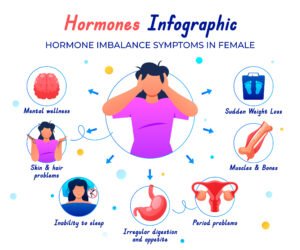
Some common symptoms include:
-
Constant fatigue even after proper sleep
-
Sudden weight gain or stubborn weight loss
-
Mood swings, anxiety, or irritability
-
Brain fog and poor concentration
-
Irregular periods or low libido
-
Digestive problems and bloating
-
Acne, hair thinning, or dry skin
Additionally, many people ignore these symptoms, assuming stress causes everything. However, these hormone health signs often reflect deeper imbalances that deserve attention.
How Lifestyle Habits Influence Hormones
Next, lifestyle choices directly shape hormone function. For example, chronic stress raises cortisol levels, which disrupt insulin, estrogen, and thyroid hormones. Likewise, poor sleep interferes with melatonin and growth hormone release. Therefore, managing daily habits becomes essential when tracking hormone health signs.
How to Track Hormonal Health Naturally
Fortunately, you can monitor hormones without complex tests. First, start by tracking physical and emotional patterns. Keeping a daily journal allows you to notice trends linked to hormone health signs.
Track the following:
-
Energy levels throughout the day
-
Sleep quality and wake-up time
-
Mood changes and stress triggers
-
Menstrual cycle patterns (if applicable)
-
Food cravings and digestion
Meanwhile, using health apps or wearable devices can support consistency. Over time, patterns emerge that reveal hormonal shifts clearly and naturally.
Nutrition That Supports Hormone Health
Equally important, food choices strongly influence hormone balance. Therefore, focus on whole, nutrient-dense foods that stabilize blood sugar and reduce inflammation.
Key nutrition tips include:
-
Eat protein with every meal to balance insulin
-
Add healthy fats like olive oil, nuts, and seeds
-
Increase fiber from vegetables and whole grains
-
Limit refined sugar and ultra-processed foods
-
Stay hydrated to support detox pathways
Additionally, minerals like magnesium and zinc support hormone production. As a result, nourishing your body daily improves health and reduces hormone health signs naturally.
Lifestyle Habits That Help Track and Balance Hormones
Beyond nutrition, lifestyle habits strengthen hormonal awareness. For instance, mindfulness practices reduce cortisol and improve emotional regulation. Therefore, meditation, deep breathing, or journaling supports hormonal stability.
When to Seek Medical Support
Although natural tracking works well, sometimes symptoms persist. Therefore, if hormone health signs continue despite lifestyle changes, consult a healthcare professional. Blood tests or saliva testing may confirm imbalances and guide treatment safely.
Importantly, combining medical advice with nutrition and lifestyle strategies creates the strongest foundation for long-term health.
Benefits of Tracking Hormones Naturally
Ultimately, natural tracking builds body awareness and confidence. As a result, you understand how stress, food, and habits affect your hormones daily. Moreover, recognizing hormone health signs early helps prevent chronic disease, burnout, and metabolic issues.
Additionally, this approach empowers you to make informed health choices without fear or confusion.
Final Thoughts
- No Comments
- January 10, 2026