
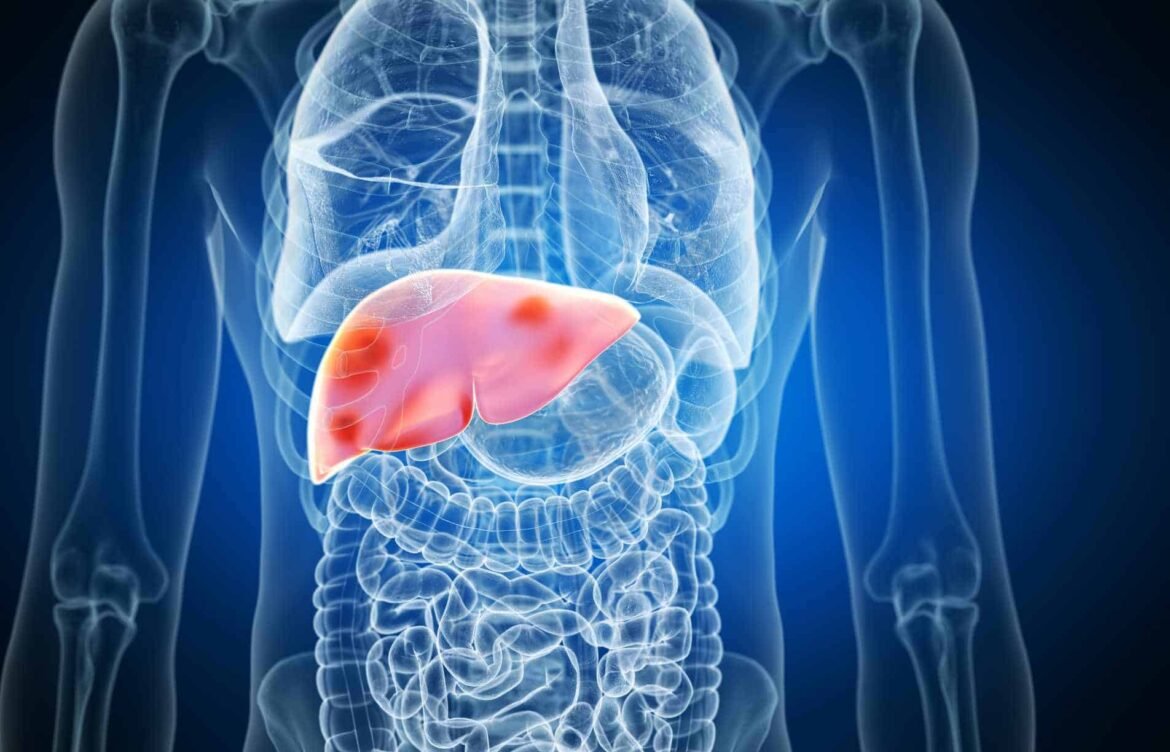
Your Liver May Be Failing Silently—These Warning Signs Matter
Your liver works nonstop to detoxify your body, balance hormones, and support digestion. However, problems often begin quietly. Silent liver damage can develop for years without obvious pain, which makes early awareness extremely important. Therefore, understanding the warning signs can help you protect your health before serious complications appear.
Why Liver Damage Often Goes Unnoticed
Unlike many organs, the liver rarely sends strong pain signals in the early stages. As a result, silent liver damage progresses while people continue their normal routines. Moreover, busy lifestyles and unhealthy habits often mask the early symptoms. Because of this, many individuals receive a diagnosis only after significant damage has already occurred.
Early Warning Signs You Should Not Ignore
Although symptoms may seem mild, your body often gives subtle hints. For example, constant fatigue, unexplained weakness, or low energy can signal silent liver damage. Additionally, frequent bloating, nausea, or loss of appetite may point to liver stress. Meanwhile, yellowing of the eyes or skin, known as jaundice, requires immediate attention.
Skin and Weight Changes Can Be Clues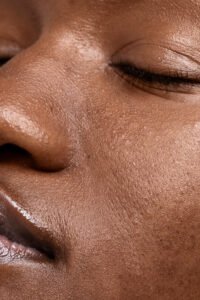
Your skin often reflects internal health. Consequently, persistent itching, acne flare-ups, or dark patches on the neck and underarms may link to silent liver damage. Similarly, unexplained weight gain or sudden weight loss can also indicate metabolic imbalance caused by liver dysfunction.
Moreover, swelling in the legs, ankles, or abdomen suggests fluid retention. Although this symptom appears later, it still serves as a strong warning sign that should never be overlooked.
Common Causes You Should Know
Several everyday factors increase the risk of silent liver damage. For instance, excessive alcohol intake strains liver cells over time. Likewise, fatty foods, sugary drinks, and processed snacks contribute to non-alcoholic fatty liver disease.
How Doctors Detect Liver Problems Early
Doctors use blood tests, imaging scans, and physical exams to identify silent liver damage. Fortunately, early detection often allows the liver to heal. Moreover, modern tests can reveal inflammation or fat buildup long before severe scarring occurs.
As a result, routine health checkups become essential, especially if you have risk factors such as obesity, diabetes, or a family history of liver disease.
Simple Ways to Protect Your Liver
Prevention always works better than treatment. Therefore, reducing alcohol intake significantly lowers the risk of silent liver damage. Additionally, eating a balanced diet rich in fruits, vegetables, lean protein, and whole grains supports liver repair.
When You Should See a Doctor
If symptoms persist for weeks, you should not delay medical advice. Especially when fatigue, digestive issues, or skin changes combine, silent liver damage may already be advancing. Therefore, early consultation can prevent irreversible complications such as cirrhosis or liver failure.
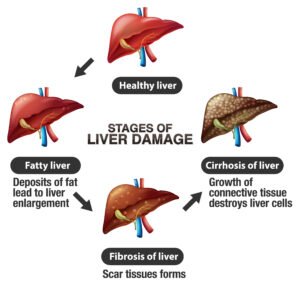
Moreover, people with existing conditions like diabetes or high cholesterol should schedule regular screenings. Proactive care always saves time, money, and health.
Final Thoughts
Your liver rarely shouts for help, but it always whispers first. By recognizing the signs of silent liver damage, you empower yourself to act early. Ultimately, awareness, healthy habits, and timely medical care can protect one of your body’s most vital organs. Listen to your body today, because your future health depends on it.
- No Comments
- January 14, 2026