
Culinary Arts for Beginners Training Course:
Cooking is more than preparing food—it is a creative skill that combines technique, precision, presentation, and passion. For anyone interested in turning a love for cooking into a professional career, a Culinary Arts for Beginners Training Course can be the perfect starting point.
Designed for people with little or no professional kitchen experience, beginner culinary courses introduce students to essential cooking techniques, kitchen practices, food preparation, and presentation. With the right training, beginners can develop the confidence and practical skills needed to take their first steps into the culinary industry.
What Is a Culinary Arts for Beginners Training Course?
A Culinary Arts for Beginners Training Course is an introductory program that teaches the fundamentals of professional cooking. Students learn how to handle ingredients, use kitchen equipment safely, prepare different types of dishes, and understand the principles behind various cooking methods.
Unlike learning solely from recipes or online videos, professional culinary training provides structured, hands-on practice under the guidance of experienced chefs. This helps beginners understand not only what to cook, but also why particular techniques and methods work.
What Will You Learn in a Beginner Culinary Course?
A good beginner culinary program covers a wide range of fundamental skills. Depending on the training provider, the curriculum may include:
Basic Knife Skills
Knife handling is one of the first skills taught in culinary education. Students learn safe cutting techniques, different types of cuts, and how to prepare vegetables, meat, herbs, and other ingredients efficiently.
Cooking Techniques
Beginners are introduced to essential cooking methods such as sautéing, roasting, grilling, steaming, boiling, baking, and frying. Understanding these techniques helps students prepare food with better texture, flavor, and consistency.
Food Preparation
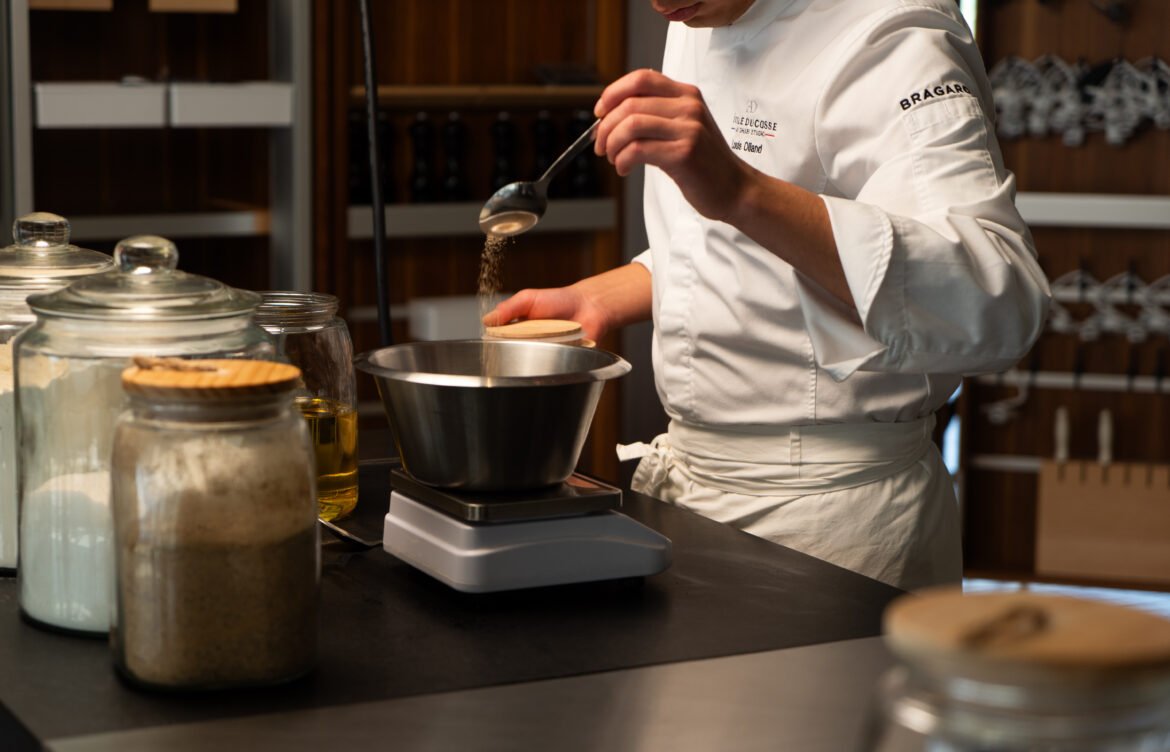
Proper preparation is essential in a professional kitchen. Students learn how to measure ingredients, prepare mise en place, organize their workspace, and follow recipes accurately.
Food Safety and Hygiene
Food safety is an important part of culinary training. Beginners learn about kitchen cleanliness, safe food handling, storage practices, temperature control, and personal hygiene.
Plating and Presentation
Modern culinary arts also focus on how food looks on the plate. Students learn basic plating principles, portion control, color balance, and presentation techniques that can make dishes more appealing.
Why Should Beginners Study Culinary Arts?
Professional culinary training can provide several benefits for aspiring chefs and food enthusiasts.
Build Practical Skills:
Hands-on training allows students to practice techniques repeatedly and develop greater confidence in the kitchen.
Learn from Professionals:
Learning under experienced chefs can help beginners understand professional standards, kitchen organization, and industry expectations.
Develop Creativity:
Culinary arts encourage creativity through flavors, ingredients, cooking methods, and food presentation.
Prepare for Career Opportunities:
A culinary course can provide a foundation for entry-level positions in restaurants, hotels, bakeries, catering businesses, resorts, and other hospitality environments.
Gain Confidence:
Structured training helps beginners move beyond basic home cooking and become more comfortable preparing professional-quality dishes.
Who Can Join a Culinary Arts Beginners Course?
A beginner culinary course can be suitable for a variety of learners. It may be ideal for:
- Students interested in a career in hospitality
- Beginners who want professional cooking skills
- Home cooks looking to improve their techniques
- Aspiring chefs starting their culinary journey
- Entrepreneurs planning to start a food business
- Food enthusiasts interested in professional kitchen practices
Previous professional cooking experience is generally not required for an introductory program, making it accessible to people who are starting from the basics.
Career Opportunities After Culinary Training
Learning culinary fundamentals can open the door to different career paths within the food and hospitality industry. After gaining experience and additional qualifications, graduates may explore roles such as:
- Commis Chef
- Line Cook
- Chef de Partie
- Prep Cook
- Catering Assistant
- Private Chef
- Restaurant Kitchen Professional
- Food Entrepreneur
Some students may also continue their education with advanced culinary, pastry, bakery, or hospitality programs.
How to Choose the Right Culinary Course
When selecting a Culinary Arts for Beginners Training Course, consider factors such as practical training, curriculum, instructor experience, kitchen facilities, course duration, and career support.
A course that provides plenty of hands-on practice can be particularly valuable because culinary skills improve through repetition and real kitchen experience. It is also useful to check whether the program teaches both fundamental techniques and professional kitchen standards.
Begin Your Culinary Journey
Learning culinary arts can transform an interest in cooking into a valuable professional skill. A Culinary Arts for Beginners Training Course gives aspiring chefs the opportunity to learn essential techniques, understand kitchen operations, improve food presentation, and build confidence in a professional environment.
Whether your goal is to work in a restaurant, join a luxury hotel, start a catering business, or simply become a better cook, beginner culinary training can provide a strong foundation. With dedication, creativity, and consistent practice, your first culinary class can be the beginning of an exciting career in the world of food.