Fibermaxxing: What It Is, Benefits and How to Do It Safely
After years of protein taking centre stage, fiber is having its moment. Fibermaxxing, the habit of deliberately eating more fiber throughout the day, has become one of the most talked-about nutrition trends of 2026, from social media feeds to dietitians’ clinics.
The good news? Unlike many viral diet trends, this one is backed by solid science. The catch is that doing it too fast can leave you bloated and uncomfortable. This guide explains what fibermaxxing is, how much fiber you actually need, the best high-fiber foods (including everyday favourites in UAE kitchens) and how to increase your intake safely.
Quick Answer: What Is Fibermaxxing?
Fibermaxxing means aiming to reach, or slightly exceed, your recommended daily fiber intake through whole foods such as legumes, whole grains, fruits, vegetables, nuts and seeds. It is not about eating as much fiber as possible. It is about consistently hitting your personal target.
Why Is Everyone Talking About Fiber?
Most people simply don’t eat enough of it. Adults in the United States eat an average of only 10 to 15 grams of fiber a day, well below the recommended amount, and many diets around the world follow a similar pattern as processed foods replace whole grains and legumes.
At the same time, research on gut health has grown rapidly. Fiber feeds the beneficial bacteria in your gut, which is why the trend fits naturally alongside the wider interest in fermented foods and the microbiome. For the bigger picture, read our guide to the gut health, fermented foods and fiber boom.
Health Benefits of Eating More Fiber
Better Digestion
Insoluble fiber adds bulk and helps food move through your digestive system, supporting regular bowel movements and helping prevent constipation.
Steadier Blood Sugar
Soluble fiber slows down how quickly sugar is absorbed, which helps keep blood sugar levels more stable after meals.
Healthier Cholesterol Levels
Soluble fiber can also help lower cholesterol, one reason diets rich in fiber are linked to better heart health.
Feeling Fuller for Longer
High-fiber foods slow digestion, so you stay satisfied for longer. This can make it easier to manage portions without feeling deprived.
Lower Risk of Chronic Disease
Low fiber intake is linked to a higher risk of heart disease, type 2 diabetes and certain cancers. Eating more fiber-rich whole foods is one of the simplest long-term changes you can make.
How Much Fiber Do You Need Per Day?
The US Institute of Medicine recommends the following daily intake for adults:
| Age | Women | Men |
|---|---|---|
| 50 and younger | 25 g | 38 g |
| 51 and older | 21 g | 30 g |
A simple rule of thumb is about 14 grams of fiber for every 1,000 calories you eat. More is not always better: some dietitians suggest that around 70 grams a day may be more than most people should have.
The Best High-Fiber Foods
Here are some of the richest everyday sources of fiber, with values from Mayo Clinic’s high-fiber foods chart:
| Food | Serving | Fiber |
|---|---|---|
| Split peas, boiled | 1 cup | 16 g |
| Lentils, boiled | 1 cup | 15.5 g |
| Black beans, boiled | 1 cup | 15 g |
| Chia seeds | 1 ounce (28 g) | 10 g |
| Green peas, boiled | 1 cup | 9 g |
| Raspberries | 1 cup | 8 g |
| Barley, cooked | 1 cup | 6 g |
| Whole-wheat spaghetti, cooked | 1 cup | 6 g |
| Pear | 1 medium | 5.5 g |
| Quinoa, cooked | 1 cup | 5 g |
| Broccoli, boiled | 1 cup | 5 g |
| Apple, with skin | 1 medium | 4.5 g |
| Almonds | 1 ounce (about 23) | 3.5 g |
| Pistachios | 1 ounce (about 49) | 3 g |
Fibermaxxing the UAE Way: Easy Local Swaps
You don’t need imported superfoods to fibermaxx. Many Middle Eastern staples are naturally rich in fiber:
- Lentil soup (shorbat adas): lentils are one of the most fiber-dense foods you can eat.
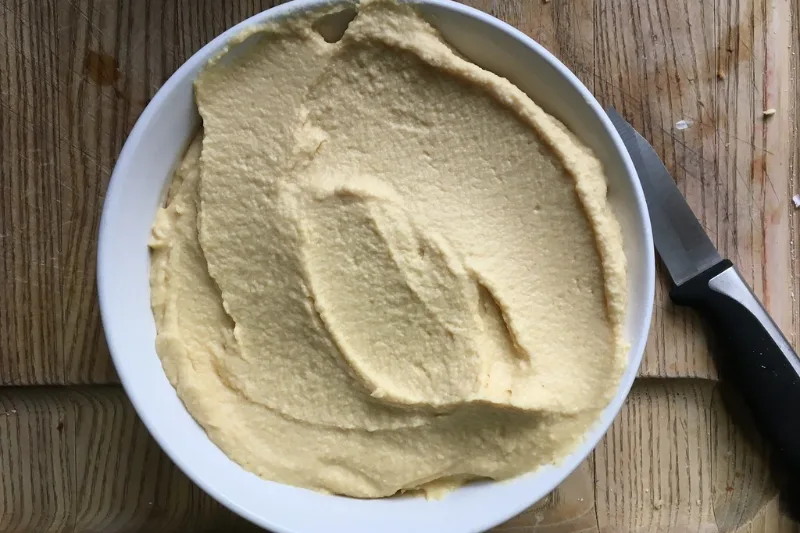
- Hummus and falafel: chickpeas bring both fiber and plant protein. Pair hummus with vegetable sticks instead of white bread.
- Ful medames: a traditional fava bean breakfast that keeps you full well into the afternoon.
- Bulgur and freekeh: swap white rice for these whole grains in tabbouleh, salads or pilafs.
- Dates: a naturally sweet, fiber-containing snack. Enjoy a few with nuts instead of processed sweets.
- Whole-wheat Arabic bread: choose wholemeal over white versions.
- Okra and molokhia: vegetable stews that add fiber to everyday meals.
If you’d like to cook more legume- and grain-based dishes at home, a hands-on class can build your confidence in the kitchen. See our guide to professional cooking classes in Abu Dhabi.
A Simple Fibermaxxing Day
This sample day shows how easily fiber adds up:
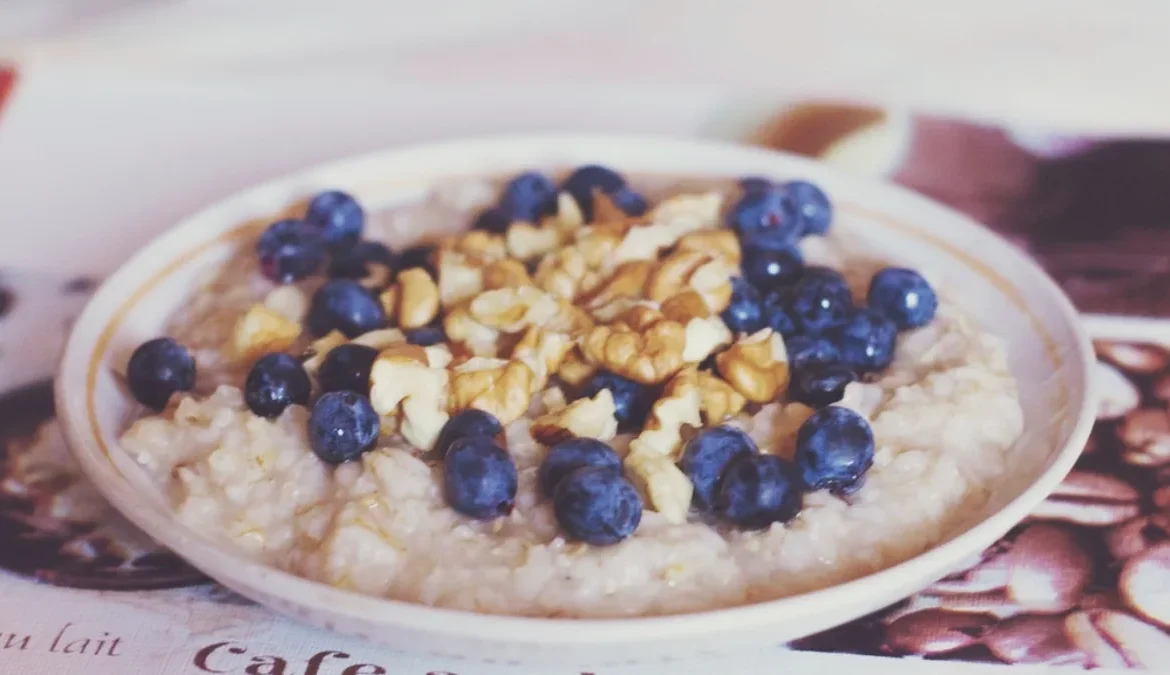
- Breakfast: oats with chia seeds, a sliced pear and a handful of almonds
- Snack: an apple with a spoon of nut butter
- Lunch: lentil soup with a side of tabbouleh made with bulgur
- Snack: hummus with carrot and cucumber sticks
- Dinner: grilled chicken or fish with quinoa and roasted broccoli
Build up to a day like this gradually rather than switching overnight.
How to Fibermaxx Safely
Adding too much fiber too quickly can cause gas, bloating, cramping and diarrhea. Follow these tips:
- Go slowly. Add one extra high-fiber serving a day for a week, see how you feel, then add another.
- Drink more water. Fiber absorbs water. Without enough fluid, more fiber can actually make constipation worse.
- Mix your sources. Combine soluble fiber (oats, beans, apples) and insoluble fiber (whole grains, vegetables, nuts).
- Choose food first. Whole foods give you fiber plus vitamins, minerals and antioxidants that supplements don’t.
- Listen to your body. If you feel uncomfortable, slow down. Our guide on why you might always feel bloated can help you spot the cause.
Who Should Be Careful?
Fibermaxxing isn’t right for everyone. If you have a digestive condition such as IBS or inflammatory bowel disease, are recovering from surgery, or have been told to follow a low-fiber diet, speak to your doctor or a registered dietitian before making changes.
Frequently Asked Questions
What does fibermaxxing mean?
Fibermaxxing means making a conscious effort to reach your daily fiber target through whole foods like legumes, whole grains, fruits, vegetables, nuts and seeds.
Is fibermaxxing healthy?
For most healthy adults, yes. Most people eat less fiber than recommended, so increasing intake gradually is generally beneficial. The key is to build up slowly and drink enough water.
Can you eat too much fiber?
Yes. Eating far more than you need, or increasing too quickly, can cause bloating, gas and cramps, and very high amounts may interfere with the absorption of some minerals.
What is the fastest way to add fiber to my diet?
Add legumes such as lentils, chickpeas or beans to one meal a day. A single cup of cooked lentils provides around 15.5 grams of fiber.
Does fiber help with weight loss?
Fiber helps you feel full for longer, which can make it easier to manage portions as part of a balanced diet.
The Bottom Line
Fibermaxxing is one wellness trend worth following, as long as you do it gradually. Start with one extra high-fiber food a day, lean on everyday favourites like lentils, chickpeas and whole grains, and drink plenty of water. For more ideas on building healthy meals, see our guide on how to plan a balanced diet and our tips on simple food swaps for a healthier microbiome.
This article is for general information only and is not a substitute for advice from your doctor or a registered dietitian.