
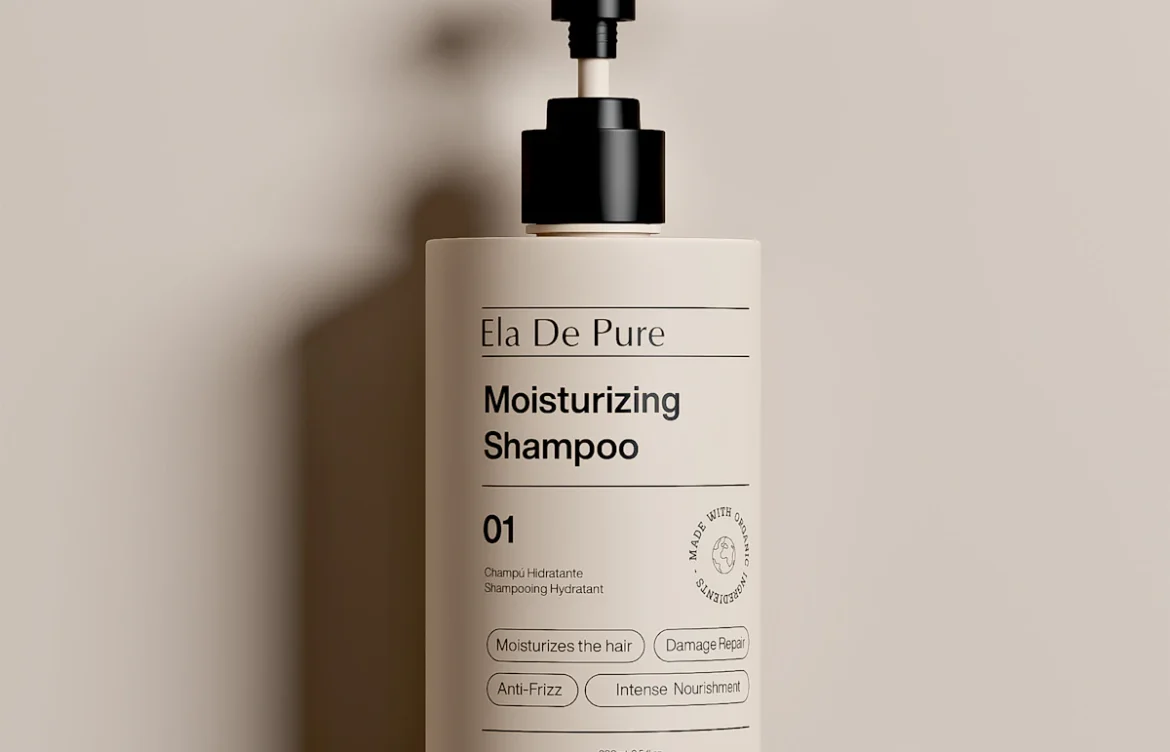
How to Get Rid of Dandruff: Causes & Best Shampoo Tips
White flakes on your shoulders, an itchy scalp, and that awkward moment when you avoid wearing a black shirt. If this sounds familiar, you are not alone. Dandruff is one of the most common scalp problems in the world, and the good news is that it can almost always be controlled.
Quick Answer: How Do You Get Rid of Dandruff?
To get rid of dandruff, wash your hair regularly with a gentle shampoo. If the flakes don’t go away, switch to an anti-dandruff shampoo that contains an active ingredient such as zinc pyrithione, ketoconazole, selenium sulfide, salicylic acid or coal tar. Massage it into your scalp, leave it on for about 5–10 minutes, and rinse. If one shampoo stops working, alternate it with one that has a different active ingredient. If nothing helps after a few weeks, see a dermatologist.
In this guide, we explain what causes dandruff, which shampoo ingredients actually work, how to use them correctly for your hair type, and simple daily habits that keep flakes away.
What Is Dandruff?
Dandruff is a common condition that causes small pieces of dead skin to flake off the scalp. According to Mayo Clinic, it isn’t contagious or harmful, but it can be embarrassing and sometimes tricky to treat. Mayo Clinic also describes dandruff as a mild form of seborrheic dermatitis, a skin condition that mainly affects the scalp.
One of the biggest myths is that dandruff means you are dirty. Dermatologists at the American Academy of Dermatology (AAD) say this is a common misconception. Not washing often enough can make flakes more visible, but the real causes are more complex.
Common Signs of Dandruff
- White or yellowish flakes on your scalp, in your hair, on your eyebrows or on your shoulders
- An itchy scalp
- Flakes that look worse when you are stressed
- Symptoms that flare during cold, dry weather
- In babies, a scaly, crusty scalp known as cradle cap
What Causes Dandruff?
There usually isn’t just one cause. Mayo Clinic lists several possible triggers:
1. Oily, irritated skin
An oily scalp is one of the most frequent causes. The skin may look red and greasy, with white or yellow scales.
2. Malassezia, a scalp yeast
Malassezia is a type of yeast-like fungus that lives on the scalps of most adults and feeds on the scalp’s natural oils. In some people it irritates the skin and speeds up the shedding of skin cells, which shows up as flakes. This is why many anti-dandruff shampoos contain antifungal ingredients.
3. Dry skin
Flakes from dry skin tend to be smaller and less oily. You will often notice dry skin on other parts of your body too, such as your arms and legs.
4. Sensitivity to hair products
Some people react to ingredients in shampoos, styling products or hair dyes. This is called contact dermatitis and can cause a red, itchy, flaky scalp.
5. Other skin conditions
Conditions such as psoriasis and eczema can also affect the scalp and look a lot like dandruff. A dermatologist can tell the difference.
Who gets dandruff more often? Dandruff usually starts in young adulthood and can continue through middle age. It is more common in men, and people with certain conditions, such as Parkinson’s disease or a weakened immune system, are more likely to have it.
Anti-Dandruff Shampoo Ingredients That Work
The brand name matters much less than the active ingredient. The AAD recommends looking for a dandruff shampoo that contains at least one of these:
| Active ingredient | How it helps | Good to know |
|---|---|---|
| Zinc pyrithione | Antifungal and antibacterial; reduces the yeast linked to flakes | Found in many everyday dandruff shampoos |
| Ketoconazole | Antifungal; targets malassezia on the scalp | Often used for stubborn dandruff |
| Selenium sulfide | Slows skin cell turnover and reduces fungus | Rinse well; follow the label carefully |
| Salicylic acid | Helps loosen and lift scales | Can dry the scalp for some people |
| Sulfur | Helps remove flakes | Has a noticeable smell |
| Coal tar | Slows how fast scalp skin cells die and flake | Can discolour blonde, grey or white hair and make the scalp more sensitive to sun |
Pro tip: If one shampoo works for a while and then seems to stop, dermatologists suggest alternating between dandruff shampoos with different active ingredients.
How to Use Dandruff Shampoo the Right Way
Many people say “dandruff shampoo doesn’t work for me” when the real problem is how they use it. Follow these steps, based on AAD advice:
- Read the label first. Every product is a little different, so the instructions on the bottle come first.
- Focus on the scalp, not the hair. Lather the shampoo directly into your scalp, where the flakes start.
- Give it time. Many dandruff shampoos need to sit on the scalp for about 5–10 minutes before rinsing so the active ingredient can work.
- Rinse thoroughly. Leftover product can irritate the scalp.
- Condition if needed. You can follow with your regular conditioner, especially if your hair feels dry.
How often should you use it? It depends on your hair type
- Fine, straight hair or an oily scalp: Wash daily or every other day, and use dandruff shampoo about twice a week.
- Coarse, curly or coily hair: Wash when needed and use dandruff shampoo about once a week. Apply it only to the scalp, because the active ingredients can dry out the hair. Look for hydrating formulas made for coarse hair.
Once your dandruff is under control, Mayo Clinic suggests using the medicated shampoo less often to keep flakes from coming back.
Daily Habits That Help Keep Dandruff Away
- Manage stress. Stress can trigger dandruff or make it worse. Regular sleep, exercise and short breaks during the day all help. Try these simple ways to reduce stress naturally in 10 minutes a day and these sleep hygiene basics.
- Protect your scalp from the sun. A sunburned scalp can flake more. In hot, sunny places like the UAE, wear a hat or use a scalp-friendly sunscreen, especially if your hair is thin.
- Don’t over-scrub or over-brush. Dermatologists warn that over-shampooing and harsh brushing can damage the hair. Let the shampoo do the work.
- Go easy on styling products. Heavy gels, sprays and waxes can build up on the scalp. If you notice itching after a new product, stop using it.
- Watch out for dry indoor air. Long hours in air-conditioned or heated rooms can dry out your skin and scalp.
Do Natural Remedies Like Tea Tree Oil Work?
Tea tree oil is a popular natural option, and some people find shampoos containing it helpful. However, the evidence is more limited than for medicated shampoos, and tea tree oil can cause skin irritation or allergic reactions in some people. If you want to try it, choose a product made for the scalp, do a small patch test first, and stop if your skin becomes red or itchy.
When to See a Doctor
Most people with dandruff don’t need medical treatment. However, see a doctor or a dermatologist if:
- Your dandruff doesn’t improve after several weeks of regularly using a dandruff shampoo
- Your scalp becomes very red, swollen or painful
- Flaking spreads to your face, ears, chest or other areas
- You notice thick, silvery scales, which may be a sign of psoriasis
A dermatologist can usually diagnose the problem just by looking at your scalp, and can recommend a stronger treatment if needed.
Frequently Asked Questions About Dandruff
Can dandruff be cured permanently?
There is no permanent cure, and symptoms can come back. But with the right shampoo and routine, most people can keep dandruff well under control.
Is dandruff caused by poor hygiene?
No. Dermatologists say this is a myth. Not washing often enough can make flakes more noticeable, but dandruff is mainly linked to oily skin, scalp yeast, dry skin, product sensitivity and other skin conditions.
Is dandruff contagious?
No. Dandruff is not contagious and you cannot catch it from someone else.
Why does my dandruff get worse in winter?
Cold, dry weather and dry indoor heating can dry out the skin on your scalp, which makes flaking and itching worse for many people.
How long does it take for dandruff shampoo to work?
Many people notice fewer flakes within a few weeks of regular use. If you see no improvement after several weeks, try a shampoo with a different active ingredient or speak to a dermatologist.
The Bottom Line
Dandruff is common, harmless and very manageable. Start with regular gentle washing, then move to an anti-dandruff shampoo with a proven active ingredient. Use it on your scalp, give it a few minutes to work, and match how often you use it to your hair type. Add a few healthy habits, like managing stress and protecting your scalp from the sun, and you can say goodbye to those flakes on your favourite black shirt.
Related read: Noticing other hair changes? Read why teenagers are getting white hair so early.
Sources
- American Academy of Dermatology – How to treat dandruff
- Mayo Clinic – Dandruff: Symptoms and causes
- Mayo Clinic – Dandruff: Diagnosis and treatment
Disclaimer: This article is for general information only and is not medical advice. Please consult a qualified healthcare professional for diagnosis and treatment.