Breast Cancer Awareness Tips for Young Women
Breast cancer is often viewed as a disease that affects older women, but in reality, young women are also at risk. In recent years, cases among women under 40 have been rising globally. While the risk may be lower in younger age groups, breast cancer can be more aggressive and harder to detect in early stages due to denser breast tissue. That is why spreading awareness, understanding symptoms, and adopting preventive habits is extremely important.
This article provides breast cancer awareness tips for young women, helping you take charge of your health and protect your future.
Why Breast Cancer Awareness Matters for Young Women
Young women should be aware because:
-
Breast cancer can occur at any age.
-
Younger women often ignore symptoms thinking they are harmless.
-
Dense tissue makes mammograms difficult to evaluate.
-
Lifestyle factors and genetics can increase risk.
Taking preventive measures early can save lives.
Common Symptoms of Breast Cancer

Recognizing early warning signs is the first step. If you notice any of these symptoms, consult a doctor immediately:
-
A new lump or mass in the breast or underarm
-
Changes in breast size or shape
-
Persistent pain in the breast or nipple
-
Nipple discharge (especially blood-stained)
-
Dimpling or puckering of breast skin
-
Redness or swelling that doesn’t go away
-
Itchy or flaky skin around the nipple
Not all lumps are cancerous, but they should never be ignored.
Breast Self-Examination (BSE): Learn and Practice Regularly
One of the strongest tools for early detection is self-examination.
How to Perform a Breast Self-Check
Do it once a month, preferably a few days after the menstrual cycle when breasts are less tender.
Steps:
-
Stand in front of a mirror with shoulders straight.
-
Look for any changes in size, shape, or skin texture.
-
Raise arms and repeat observation.
-
Feel your breasts using fingers in circular motion while lying down.
-
Check again while standing or in the shower.
Consistent self-checks help you know your normal breast condition so you can identify unusual changes early.
Healthy Lifestyle Tips to Reduce Breast Cancer Risk
While not all breast cancers are preventable, adopting healthier habits can significantly reduce risk.
1. Maintain a Healthy Weight
Obesity creates hormonal imbalances that increase cancer risk. Aim for a balanced weight through good nutrition and exercise.
2. Stay Physically Active
Try at least 30–40 minutes of exercise daily – walking, yoga, gym, or dancing. Physical activity boosts immunity and hormonal balance.
3. Eat Nutritious Foods
Include:
-
Fresh fruits & vegetables
-
Whole grains
-
Omega-3 rich foods (flaxseed, walnuts, fish)
-
High-fiber foods
-
Green tea & herbal teas
Avoid:
-
Junk food
-
Refined sugar
-
Processed meat and excessive red meat
4. Limit Alcohol and Avoid Smoking
Alcohol increases estrogen levels, raising breast cancer risk. Smoking weakens the immune system and increases chances of aggressive cancer development.
5. Manage Stress
Chronic stress disrupts hormones and affects immunity. Practice:
-
Meditation
-
Deep breathing
-
Journaling
-
Hobby time & sound sleep
Know Your Family History
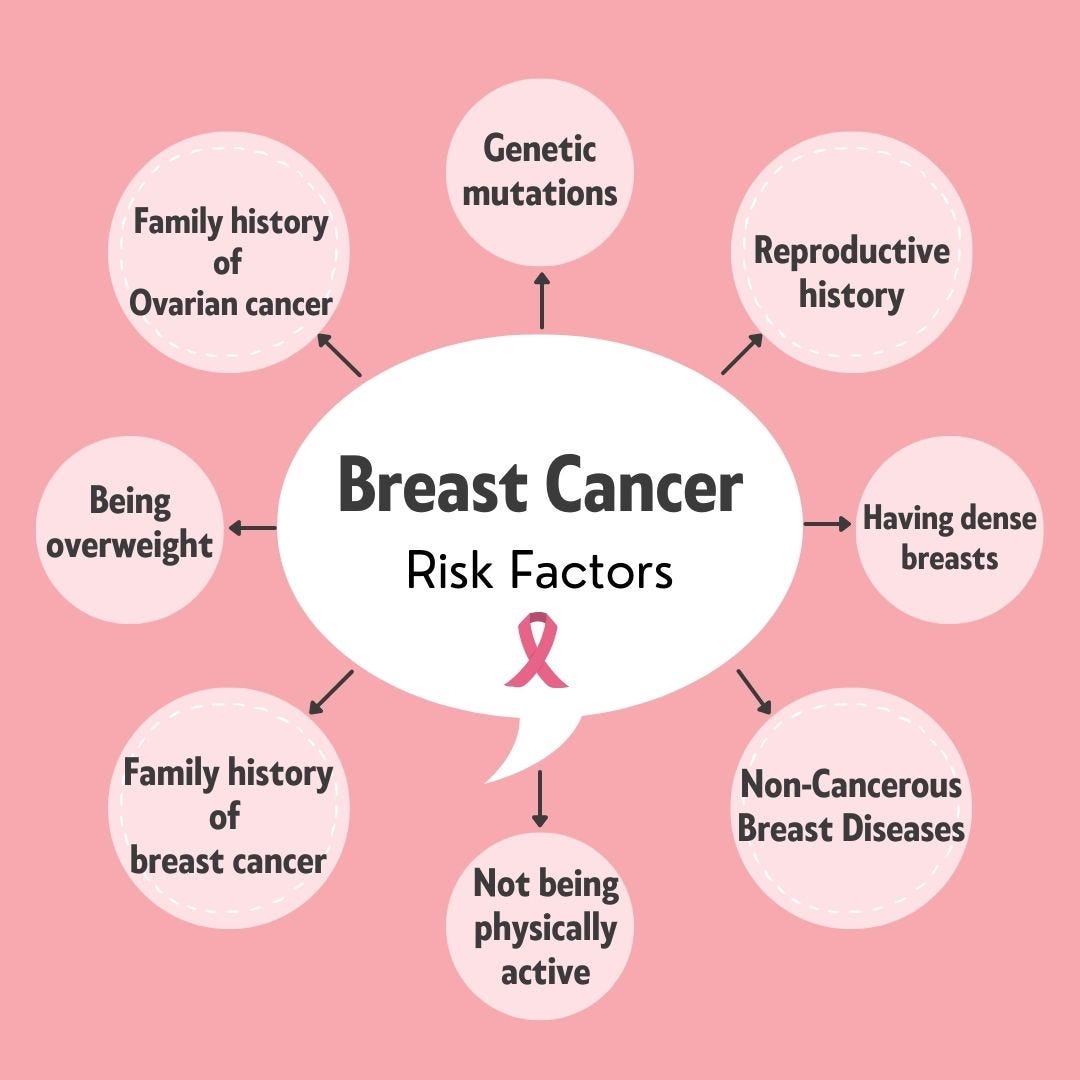
Genetics can play a major role. If any close relative (mother, sister, grandmother, aunt) had breast cancer, you may have a higher risk.
Speak to a doctor about:
-
Genetic counseling
-
BRCA1 and BRCA2 testing if necessary
-
Early and regular screening
Being proactive about family history helps prepare for early prevention.
Regular Clinical Breast Exams and Screenings
-
Women under 40 should have a clinical breast exam every 1–3 years.
-
If you have family history or higher risk, screening may begin earlier.
-
After age 40, doctors recommend annual mammograms.
Don’t wait for symptoms—prevention is always better than cure.
Be Cautious with Birth Control Pills
Certain hormonal birth control pills may slightly increase breast cancer risk, especially in women with family history. Talk to a gynecologist before using long-term hormonal contraceptives.
Awareness and Support Matter
Spreading awareness among friends, family, and online platforms can help more young women understand the importance of early care.
Ways to spread awareness:
-
Participate in breast cancer walks and campaigns
-
Share educational content on social media
-
Encourage women to perform self-checks
-
Support those undergoing treatment with empathy and positivity
Even a small conversation can save a life.
Conclusion
Breast cancer awareness is important for young women because early detection significantly improves survival rates. Taking care of your body, knowing your risks, understanding symptoms, and getting regular checkups are crucial steps toward a healthier life.
Protect your health today—because your life is precious, and awareness is the strongest shield.