
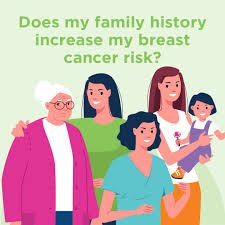
Does Family History Increase Breast Cancer Risk?
Breast cancer is one of the most common cancers affecting women worldwide, and understanding its risk factors is extremely important. Among these risk factors, family history plays a major role. Many people wonder, “If my mother or sister had breast cancer, will I get it too?” While having a family history does not guarantee that you will develop breast cancer, it significantly increases the chances. In this article, we will explore how family history affects breast cancer risk, what genes are involved, who is at higher risk, and how you can stay proactive and protect your health.
Understanding Family History and Breast Cancer
Family history means having a close blood relative—such as your mother, sister, or daughter—who has been diagnosed with breast cancer. This can increase your chances of getting breast cancer because certain genes linked to breast cancer are inherited within families.
However, it’s important to understand that most women who get breast cancer do NOT have a family history. Only about 5–10% of breast cancer cases are linked to inherited genetic mutations. This means that lifestyle, environment, and hormonal factors also play big roles.
How Much Does Family History Increase Breast Cancer Risk?
:max_bytes(150000):strip_icc()/mother-and-daughter-breast-cancer-is-it-inevitable-430161_fin-da2bfe871d6d45df912697cf4766df5c.png)
If you have a first-degree relative (mother, sister, or daughter) with breast cancer, your risk almost doubles compared to someone without such a history. If you have two or more close relatives affected, the risk becomes even higher.
Here’s a simple breakdown:
-
One first-degree relative with breast cancer → 2x higher risk
-
Two or more close relatives → 3–4x higher risk
-
Male relatives with breast cancer → may indicate a stronger genetic link
But having a family history does not mean you will definitely get breast cancer. It simply means you need to be more careful, more aware, and more proactive.
Inherited Genes Linked to Breast Cancer
Some families carry specific genetic mutations that dramatically increase breast cancer risk. The most well-known genes are:
BRCA1 and BRCA2
These are the most common genes linked to hereditary breast cancer. Women who inherit BRCA1 or BRCA2 mutations may have up to a 60–80% chance of developing breast cancer in their lifetime. These genes normally help repair damaged DNA, but mutations can cause cells to grow uncontrollably.
Other Genetic Mutations
Apart from BRCA, these genes may also increase risk:
-
TP53
-
PALB2
-
CHEK2
-
PTEN
While these mutations are less common, they can still raise the likelihood of breast cancer significantly.
Who Is Considered at High Genetic Risk?
You may fall into a high-risk category if:
-
You have multiple relatives on the same side of the family with breast or ovarian cancer.
-
A close relative was diagnosed before age 50.
-
You have a male relative with breast cancer.
-
You have relatives with both breast and ovarian cancer.
-
You have multiple generations affected by cancer.
-
You belong to a community with higher rates of genetic mutations (e.g., Ashkenazi Jewish families).
If any of this applies to you, genetic testing may be helpful.
Role of Genetic Testing
If you have a strong family history of breast cancer, your doctor may recommend genetic testing for BRCA or other mutations. This test is done using a simple blood or saliva sample.
Genetic testing helps you understand:
-
Your personal risk level
-
Prevention strategies that may help
-
Best screening methods for early detection
It is completely optional but can give peace of mind and empower you to make informed decisions.
Why Family History Increases Risk
Family history increases breast cancer risk due to:
1. Shared Genes
You may inherit the same genetic mutation that increases cancer risk.
2. Shared Lifestyle
Families often have similar diets, routines, and habits, which may influence health risks.
3. Shared Environment
Exposure to similar surroundings, toxins, or stress patterns can also contribute.
This means heredity is only part of the story. Even without mutations, shared habits can play a role.
Signs Your Family History May Be Significant
If you’re unsure whether your family history matters, here are signs that suggest a strong genetic link:
-
Breast cancer diagnosed before menopause
-
Cancer appearing on both breasts
-
Multiple family members with breast or ovarian cancer
-
Cancer appearing across several generations
-
A person having both breast and ovarian cancer
If you notice these patterns, it’s best to consult a healthcare professional.
How You Can Reduce Your Breast Cancer Risk
:max_bytes(150000):strip_icc()/diet-and-breast-cancer-risk-430445_v2-01-0ede322953b740aeb5078a444def535e.png) Even if you have a family history, you can still take steps to reduce your risk. Lifestyle changes play a crucial role.
Even if you have a family history, you can still take steps to reduce your risk. Lifestyle changes play a crucial role.
1. Maintain a Healthy Weight
Excess body fat can produce hormones that increase breast cancer risk.
2. Stay Physically Active
30 minutes of daily exercise can significantly reduce your risk.
3. Eat a Balanced Diet
Include:
-
Fresh fruits
-
Vegetables
-
Healthy fats
-
Fiber-rich foods
-
Antioxidant-rich ingredients like turmeric, berries, and green tea
These foods support hormone balance and overall wellness.
4. Limit Alcohol Consumption
Even small amounts of alcohol increase breast cancer risk, especially in women with a family history.
5. Avoid Smoking
Tobacco increases the risk of several cancers, including breast cancer.
6. Breastfeeding
Breastfeeding has been shown to lower breast cancer risk.
Importance of Regular Screening
If you have a family history, screening becomes even more important. Early detection saves lives.
Recommended Screening for High-Risk Women
-
Mammogram every year starting at age 30–35
-
MRI screening if recommended
-
Clinical breast exams every 6–12 months
-
Self-examination monthly
Early detection improves treatment success rates dramatically.
Should You Worry if You Have a Family History?
It’s natural to feel worried, but remember:
Family history increases risk — it does not guarantee cancer.
With:
-
Healthy lifestyle choices
-
Regular screenings
-
Awareness of your body
-
Genetic testing (if needed)
…you can take charge of your health confidently.
Conclusion
Family history does play a significant role in increasing breast cancer risk, especially if you have close relatives who were diagnosed with the disease. However, it doesn’t mean you will automatically develop breast cancer. By understanding your risk, staying vigilant with screenings, and adopting a healthy lifestyle, you can reduce your chances significantly.
Knowledge is power. When you understand your family history and take the right preventive steps, you protect not only yourself but also future generations in your family.