
GLP-1 Drugs: Myths, Facts, Benefits and Why Lifestyle Still Matters
GLP-1 drugs have become incredibly popular in recent years for their role in weight loss and blood sugar control. You may have heard names like Semaglutide, Liraglutide, or brands such as Ozempic, Wegovy, and Saxenda. These medicines are often talked about as “miracle weight-loss injections,” but the reality is far more detailed and scientific.
In this article, we’ll break down what GLP-1 drugs really do, clear up common myths vs facts, and explain why lifestyle changes are still necessary even when taking these medications.
What Are GLP-1 Drugs?
GLP-1 stands for Glucagon-Like Peptide-1, a natural hormone produced in your gut. It plays several important roles:
-
Controls how fast your stomach empties
-
Reduces hunger by signaling fullness to the brain
-
Helps the pancreas release insulin
-
Lowers blood sugar after meals
GLP-1 medications are designed to mimic this hormone, giving you stronger and longer-lasting effects. Originally created to help people with Type 2 diabetes, these drugs have also shown powerful results in weight management, which is why they’ve gained so much attention.
How GLP-1 Drugs Work in the Body
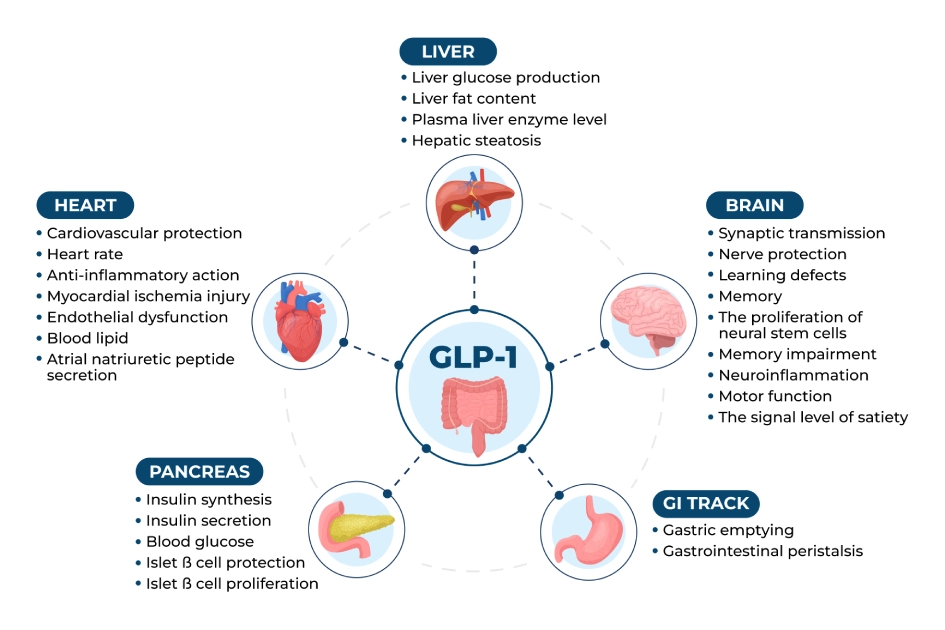 Reduce appetite:
They send signals to the brain’s appetite center, helping you feel full with smaller meals.-
Slow digestion:
Food moves slowly through your stomach, keeping you full longer. -
Improve insulin response:
The body becomes better at using insulin, reducing blood sugar spikes. -
Support long-term weight loss:
Consistent appetite control helps reduce calorie intake over time.
Why Are GLP-1 Drugs So Effective for Weight Loss?
Weight loss is a complex process influenced by hormones, brain signals, metabolism, and lifestyle choices. For many people, willpower alone isn’t enough, because appetite and hunger hormones work against them.
GLP-1 drugs help by supporting the body’s natural systems:
-
They lower cravings
-
Reduce emotional or binge eating
-
Help regulate hunger signals
This is why many people find success with these medications when other methods didn’t work.
Common Myths vs Facts About GLP-1 Drugs
There is a lot of misinformation online. Let’s clear things up with facts.
Myth 1: “GLP-1 drugs are only for weight loss.”
Fact:
These drugs were originally designed for Type 2 diabetes. Weight loss is an additional, scientifically proven benefit. Many people with insulin resistance, PCOS, or metabolic disorders also benefit from GLP-1 therapy.
Myth 2: “You can eat anything and still lose weight on GLP-1 drugs.”
Fact:
While these medications reduce hunger, food choices still matter. Eating junk food or high-calorie meals can slow down progress or cause side effects like nausea. Healthy eating improves results.
Myth 3: “Once you stop the medicine, weight comes back immediately.”
Fact:
Weight regain depends on lifestyle habits. If you maintain good eating and exercise routines, your results can be long-lasting. Weight may return only if old habits return.
Myth 4: “GLP-1 drugs work instantly.”
Fact:
Most people see gradual changes over weeks to months. The body needs time to adjust, and the dose is usually increased slowly to avoid side effects.
Myth 5: “These drugs are dangerous for everyone.”
Fact:
GLP-1 drugs are clinically approved and safe for most people when used under medical supervision. Some people may experience side effects, but they’re usually manageable.
Myth 6: “GLP-1 drugs can replace exercise completely.”
Fact:
No medication can replace movement. Exercise improves metabolism, builds strength, and helps maintain weight loss. GLP-1 medicines are tools—not magic wands.
Benefits of GLP-1 Drugs
GLP-1 medications offer multiple health benefits beyond weight loss:
-
Better blood sugar control
-
Lower risk of Type 2 diabetes complications
-
Reduced appetite and fewer cravings
-
Improved heart health (in some patients)
-
Increased energy levels
-
Better metabolic function
People often report eating less without feeling deprived, which makes healthy habits easier to maintain.
Possible Side Effects of GLP-1 Drugs
Like all medicines, GLP-1 drugs may cause side effects—although they’re usually mild.
Common side effects include:
-
Nausea
-
Vomiting
-
Constipation
-
Diarrhea
-
Stomach discomfort
-
Low appetite
These effects often improve as the body adjusts. Taking the injection with smaller meals can help reduce them.
Why Lifestyle Changes Are Still Needed
Even though GLP-1 drugs are effective, they work best when combined with healthy habits. Medication alone cannot create a sustainable, long-term transformation.
Here’s why:
1. Food Quality Matters
If you eat unhealthy foods, your body may still struggle with blood sugar levels, inflammation, and digestive issues. Nutritious meals support better weight loss and overall well-being.
2. Exercise Boosts Your Results
Activities like walking, strength training, or yoga help:
-
Improve metabolism
-
Maintain muscle mass
-
Prevent weight regain
-
Boost mood and energy
3. Healthy Sleep Helps Hormones
Poor sleep increases hunger hormones like ghrelin. With good sleep, GLP-1 drugs work more efficiently.
4. Stress Management Is Important
Chronic stress leads to emotional eating and weight gain. Techniques like meditation, deep breathing, or simple “me time” help maintain balance.
5. Long-Term Success Comes from Habits
Medication can give you a head start, but maintaining results requires consistent habits such as:
-
Mindful eating
-
Drinking enough water
-
Balanced meals
-
Regular activity
Who Should Consider GLP-1 Drugs?
Doctors may recommend GLP-1 drugs for:
-
People with Type 2 diabetes
-
Individuals with BMI over 30
-
People with BMI over 27 plus health issues like PCOS, high blood pressure, or insulin resistance
However, only a healthcare provider can decide if these medicines are right for you.
Conclusion
GLP-1 drugs are powerful tools for managing weight and improving metabolic health. They help control hunger, reduce cravings, balance blood sugar, and support long-term results. But they work best when combined with healthy lifestyle choices.
By understanding the facts instead of the myths, you can make informed decisions about your health journey. Remember: these medications aren’t about quick fixes—they’re about creating healthier habits with the support of modern science.