
Gut Bacteria Explained: Simple Food Swaps for a Healthier Microbiome
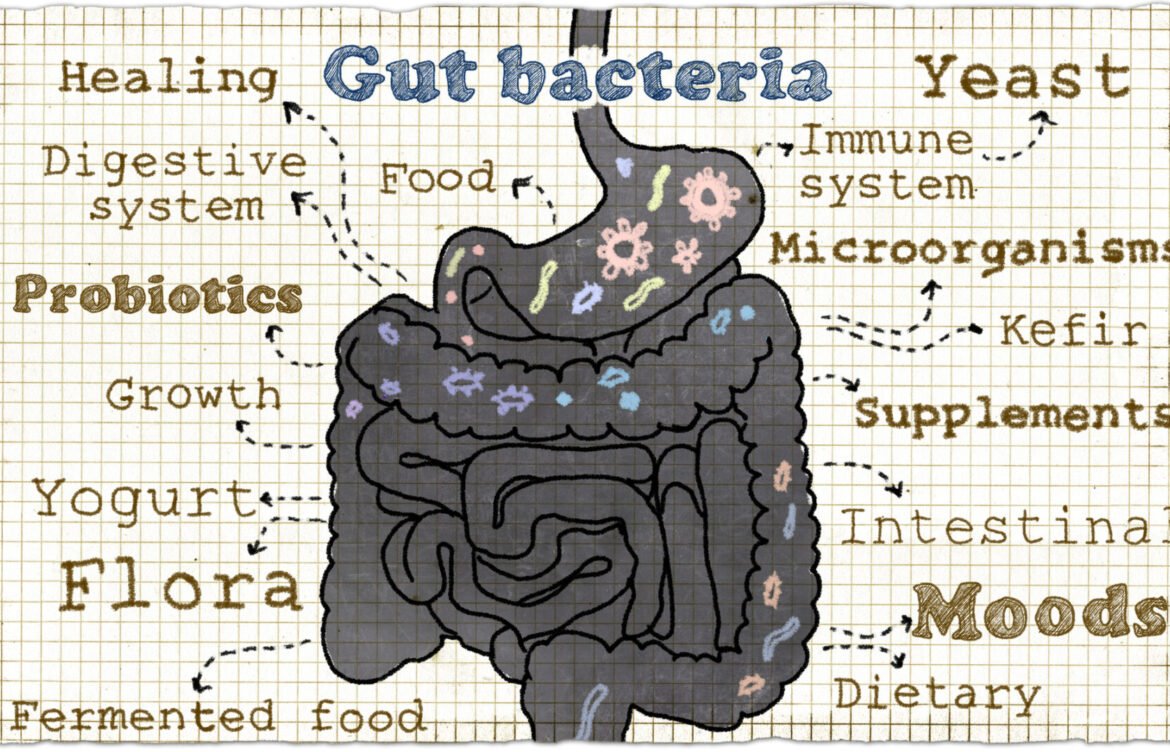
gut bacteria Our gut is home to trillions of tiny microorganisms, mostly bacteria, that quietly work behind the scenes to keep us healthy. These gut bacteria influence digestion, immunity, metabolism, mental health, and even skin health. When the balance of these bacteria is healthy, we feel energetic and well. When it’s disturbed, we may face bloating, constipation, frequent illness, or low mood.
The good news? You don’t need expensive supplements or extreme diets to support your gut. Small, smart food swaps in your daily routine can significantly improve your gut microbiome.gut bacteria
In this article, we’ll explain what gut bacteria are, why they matter, and simple food swaps you can make for a healthier microbiome.
What Are Gut Bacteria?
Gut bacteria are microorganisms that live mainly in your large intestine. Together, they form the gut microbiome, a complex ecosystem made up of good bacteria, bad bacteria, fungi, and viruses.
Not all bacteria are harmful. In fact, many are essential for survival. The key is balance—having more beneficial bacteria than harmful ones.
Healthy gut bacteria help to:
-
Produce vitamins like B12 and vitamin K
-
Strengthen the immune system
-
Regulate inflammation
-
Support brain health through the gut-brain axis
Why a Healthy Microbiome Is Important
A diverse and balanced microbiome is linked to overall well-being. Poor gut health, also called gut dysbiosis, has been associated with digestive problems and other health concerns.
Signs Your Gut Bacteria May Be Unbalanced
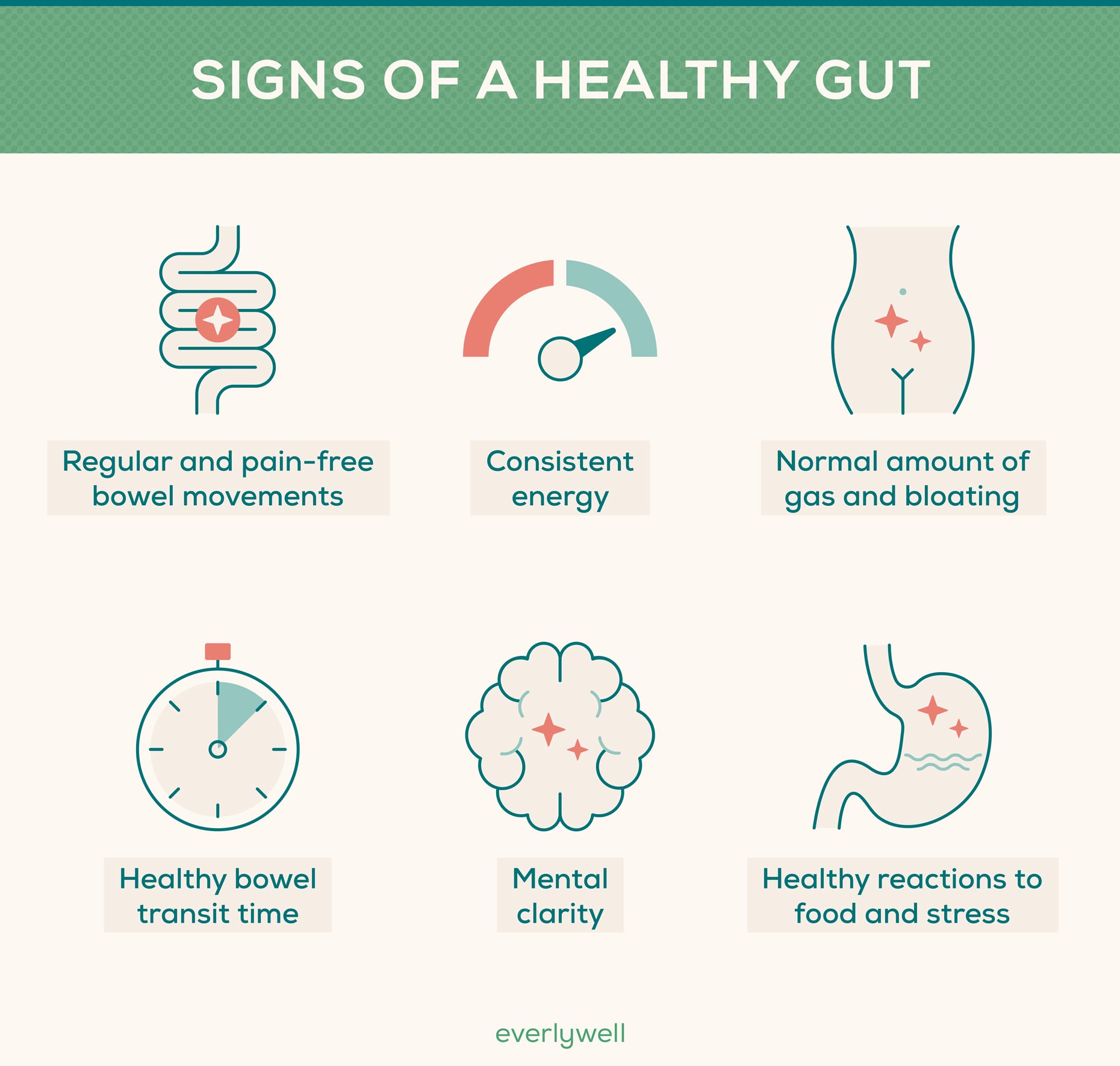
- Frequent bloating or gas
-
Constipation or diarrhea
-
Constant cravings for sugar or junk food
-
Low energy or fatigue
-
Weakened immunity
Your diet plays the biggest role in shaping your gut microbiome. What you eat daily can either feed good bacteria or allow harmful ones to grow.
Foods That Support Good Gut Bacteria
Before we talk about swaps, it’s important to understand what gut bacteria love to eat.
Fiber-Rich Foods
Good bacteria thrive on dietary fiber, especially prebiotics. These fibers pass undigested to the colon, where bacteria ferment them.
Examples:
-
Fruits and vegetables
-
Whole grains
-
Legumes
-
Nuts and seeds
Fermented Foods gut bacteria
Fermented foods contain probiotics, which are live beneficial bacteria.
Examples:
-
Yogurt with live cultures
-
Kefir
-
Sauerkraut
-
Kimchi
-
Traditional buttermilk
Simple Food Swaps for a Healthier Microbiome
You don’t need to change everything at once. These easy food swaps are realistic, affordable, and sustainable.
Swap 1: White Bread → Whole Grain Bread
White bread is highly processed and low in fiber, offering little nourishment to gut bacteria.
Why whole grains are better:
Whole grain bread contains fiber, which feeds beneficial bacteria and supports digestion.
Better options:
-
Whole wheat bread
-
Multigrain roti
-
Oats or millet-based bread
Swap 2: Sugary Snacks → Fruits and Nuts
Excess sugar feeds harmful bacteria and reduces microbial diversity.
Why fruits and nuts help:
Fruits provide natural fiber and antioxidants, while nuts contain healthy fats and prebiotics.
Better options:
-
Apple with peanuts
-
Banana with almonds
-
Berries with seeds
Swap 3: Flavored Yogurt → Plain Yogurt with Add-Ons
Flavored yogurts often contain high amounts of added sugar.
Why plain yogurt is better:
Plain yogurt with live cultures supports gut bacteria without feeding harmful microbes.
How to improve taste naturally:
-
Add chopped fruit
-
Mix in honey (small amount)
-
Sprinkle flaxseeds or chia seeds
Swap 4: Fried Foods → Steamed, Roasted, or Sautéed Foods
Deep-fried foods can irritate the gut lining and promote inflammation.
Why gentler cooking methods help:
Steamed or roasted foods are easier to digest and preserve nutrients that support gut health.
Better options:
-
Steamed vegetables
-
Lightly sautéed sabzi
-
Roasted sweet potatoes
Swap 5: Refined Rice → Brown Rice or Millets
Refined grains lack fiber and digest too quickly.
Why whole grains support gut bacteria:
Brown rice and millets contain resistant starch, which feeds good bacteria.
Better options:
-
Brown rice
-
Foxtail millet
-
Jowar or bajra
Swap 6: Packaged Drinks → Homemade Fermented Drinks
Packaged juices and sodas are high in sugar and additives.
Why fermented drinks help:
Natural fermented drinks contain probiotics that increase gut bacterial diversity.
Better options:
-
Homemade buttermilk
-
Lightly fermented kanji
-
Kefir (if available)
Daily Habits That Improve Gut Health
Food matters, but lifestyle habits also play a role.
Eat Slowly
Chewing food properly supports digestion and reduces gut stress.
Stay Hydrated
Water helps fiber do its job and supports smooth digestion.
Manage Stress
Chronic stress negatively affects gut bacteria through the gut-brain connection.
Sleep Well
Poor sleep can reduce beneficial gut bacteria diversity.
How Long Does It Take to Improve Gut Bacteria?
Small dietary changes can start improving gut bacteria in a few days, but lasting results usually appear after 2–4 weeks of consistent habits.
The key is regularity. Occasional healthy meals won’t change much, but daily food swaps will.
Final Thoughts: Small Swaps, Big Gut Benefits
Gut bacteria play a powerful role in your overall health, yet they are often overlooked. The foods you choose every day directly shape your microbiome.
You don’t need drastic diets or expensive supplements. By making simple food swaps—choosing whole grains over refined foods, natural probiotics over sugary snacks, and fiber-rich meals over processed ones—you can create a healthier, happier gut.
Start small, stay consistent, and your gut bacteria will thank you