
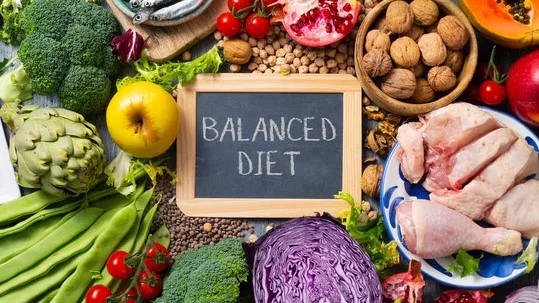
How to Plan a Balanced Diet:
H1: How to Plan a Balanced Diet for a Healthy Lifestyle
A balanced diet is the foundation of good health, energy, and overall well-being. It provides your body with essential nutrients — carbohydrates, proteins, fats, vitamins, and minerals — in the right proportions. However, with busy lifestyles and endless food choices, many people struggle to plan meals that meet their body’s needs. In this guide, you’ll learn step-by-step how to plan a balanced diet that keeps you fit, strong, and energized every day.
H2: What is a Balanced Diet?
A balanced diet means consuming the right amounts of different food groups to ensure the body gets all the nutrients it requires. It’s not about eating less — it’s about eating smart. Every meal should include a combination of macronutrients (carbohydrates, proteins, fats) and micronutrients (vitamins and minerals).
For example:
-
Carbohydrates provide energy.
-
Proteins help build and repair tissues.
-
Fats support cell growth and hormone function.
-
Vitamins and minerals keep your immune system strong and organs functioning properly.
A balanced diet also focuses on hydration, portion control, and limiting processed foods that can cause long-term health issues.
H2: Importance of a Balanced Diet
Eating a balanced diet is not just about maintaining weight — it affects your mood, immunity, and even your skin and hair. Some key benefits include:
-
Boosts energy levels: The right mix of nutrients keeps you active throughout the day.
-
Supports immunity: Vitamins like C, D, and zinc strengthen your body’s defense system.
-
Improves digestion: Fiber-rich foods keep your gut healthy and prevent constipation.
-
Maintains healthy weight: Proper portion control prevents overeating and fat accumulation.
-
Promotes mental health: Nutrients like omega-3 fatty acids and B vitamins help reduce stress and anxiety.
H2: Steps to Plan a Balanced Diet
Creating a balanced diet plan doesn’t have to be complicated. Follow these simple steps:
1. Know Your Calorie Needs
Every person has a different calorie requirement depending on age, gender, activity level, and health goals. For example, an active adult may need 2,000–2,500 calories a day, while someone who’s less active might need fewer. Use a calorie calculator to estimate your needs.
2. Divide Your Plate Wisely
An easy way to visualize a balanced diet is the “plate method”:
-
½ plate fruits and vegetables
-
¼ plate whole grains (like brown rice, oats, or quinoa)
-
¼ plate lean protein (like fish, chicken, eggs, lentils, or beans)
Add a small portion of healthy fats like olive oil, nuts, or seeds for extra nutrition.
3. Choose Whole Foods Over Processed Ones

Natural foods like fruits, vegetables, nuts, and whole grains contain fiber and nutrients that processed foods lack. Processed snacks often have added sugars, sodium, and unhealthy fats that can lead to obesity and heart disease.
4. Include All Food Groups
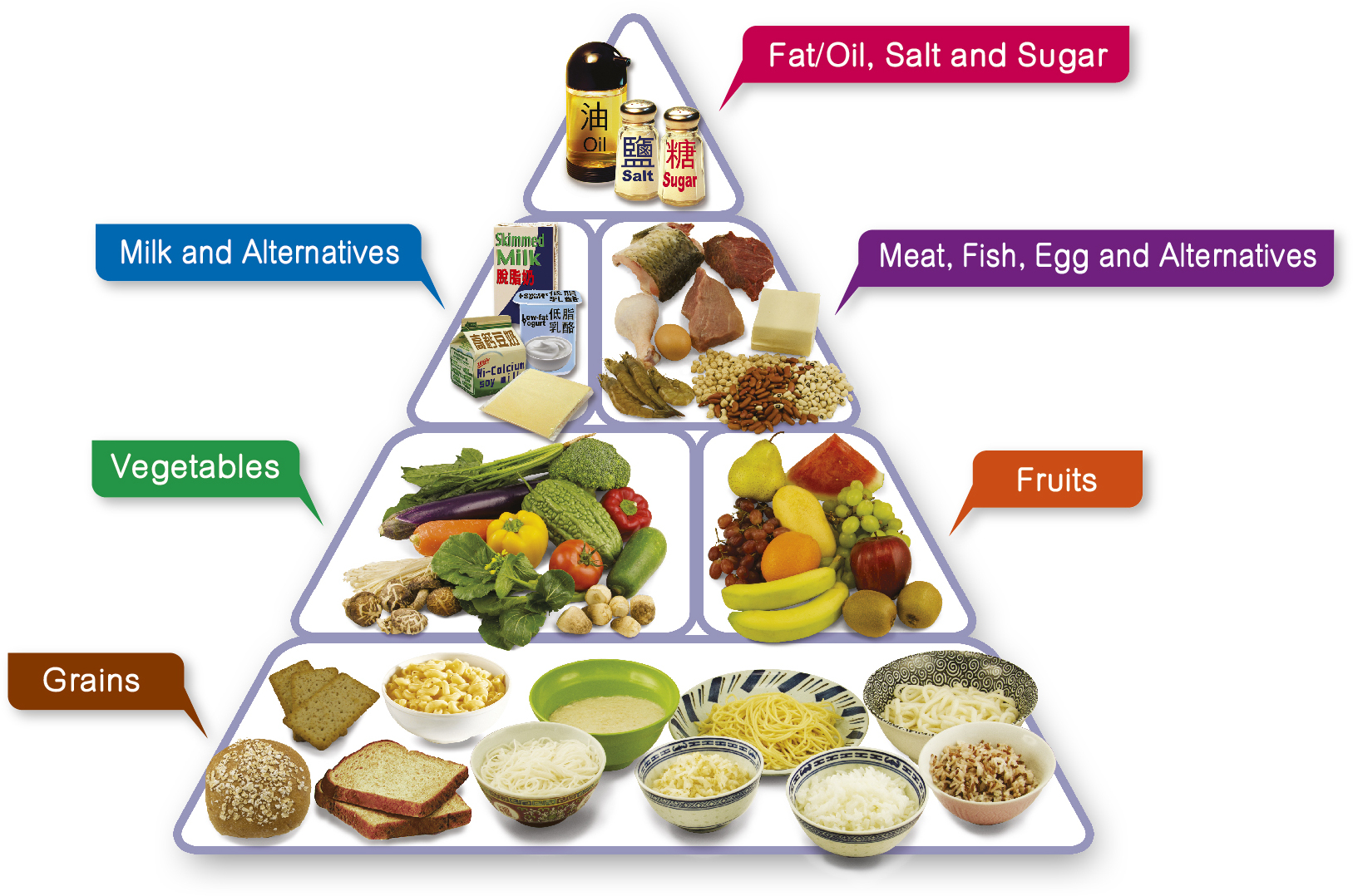
A healthy meal plan includes:
-
Fruits and vegetables: Rich in fiber, antioxidants, and vitamins.
-
Whole grains: Provide long-lasting energy and keep you full.
-
Protein sources: Helps repair and maintain body tissues.
-
Dairy or alternatives: Supply calcium for strong bones.
-
Healthy fats: Found in avocado, olive oil, and fish, these support brain and heart health.
5. Drink Enough Water
Hydration is an often-overlooked part of a balanced diet. Drink at least 8–10 glasses of water daily to help digestion, nutrient absorption, and detoxification.
6. Practice Portion Control
Even healthy foods can lead to weight gain if eaten in excess. Use smaller plates and serve moderate portions to avoid overeating.
7. Plan Your Meals in Advance
Meal planning helps you make smarter food choices and prevents last-minute unhealthy eating. Try preparing weekly menus that include breakfast, lunch, snacks, and dinner.
H2: Sample One-Day Balanced Diet Plan
Here’s an example of what a day of balanced eating could look like:
Breakfast:
-
Oatmeal topped with fruits and a handful of nuts
-
A glass of milk or plant-based alternative
Mid-Morning Snack:
-
A banana or an apple with peanut butter
Lunch:
-
Brown rice with grilled chicken or tofu
-
Mixed vegetable salad with olive oil dressing
Evening Snack:
-
Roasted chickpeas or yogurt with seeds
Dinner:
-
Whole wheat chapati with lentil soup and sautéed vegetables
-
A small bowl of curd
Before Bed:
-
A glass of warm milk or herbal tea
This plan covers all essential nutrients and keeps you satisfied throughout the day.
H2: Tips for Maintaining a Balanced Diet
- Avoid skipping meals: It can lead to overeating later.
-
Limit sugary drinks and snacks: Opt for water, fresh juices, or smoothies.
-
Read food labels: Check for hidden sugars, sodium, and trans fats.
-
Include variety: Try new foods to get a wide range of nutrients.
-
Eat mindfully: Enjoy your food without distractions to improve digestion and satisfaction.
H2: Common Mistakes to Avoid
-
Relying on fad diets: Quick fixes often lead to nutrient deficiencies.
-
Cutting out entire food groups: Each nutrient plays a vital role in health.
-
Overeating “healthy” foods: Even nutritious items should be consumed in moderation.
-
Ignoring hydration: Dehydration can cause fatigue, headaches, and poor digestion.
H2: Conclusion
Planning a balanced diet is not about perfection — it’s about consistency and smart choices. By eating a variety of nutrient-rich foods, practicing portion control, and staying hydrated, you can achieve a healthier lifestyle without giving up your favorite meals. Remember, small changes made daily can create a long-lasting impact on your overall health and well-being.