
Intermittent Fasting: A Simple, Science-Backed Way to Improve Health and Lose Weight
Unlike traditional diets that focus on what you eat, intermittent fasting focuses on when you eat. This simple shift in eating patterns has helped millions of people lose weight, improve metabolism, and feel more energetic — without complicated meal plans.
If you’ve ever skipped breakfast or eaten dinner early, you’ve already practiced a basic form of intermittent fasting. But when done correctly, this method can offer powerful health benefits that go far beyond weight loss.
What Is Intermittent Fasting?
Intermittent fasting (IF) is an eating pattern that cycles between periods of eating and fasting. Instead of eating throughout the day, you limit your meals to a specific time window. During fasting hours, you either eat nothing or consume very few calories.
It’s not a diet in the traditional sense. There are no forbidden foods, calorie charts, or strict menus. The focus is on giving your body regular breaks from digestion so it can reset, repair, and burn stored fat more efficiently.
Popular Types of Intermittent Fasting
There are several ways to practice intermittent fasting. You can choose the method that best fits your lifestyle.
1. 16/8 Method
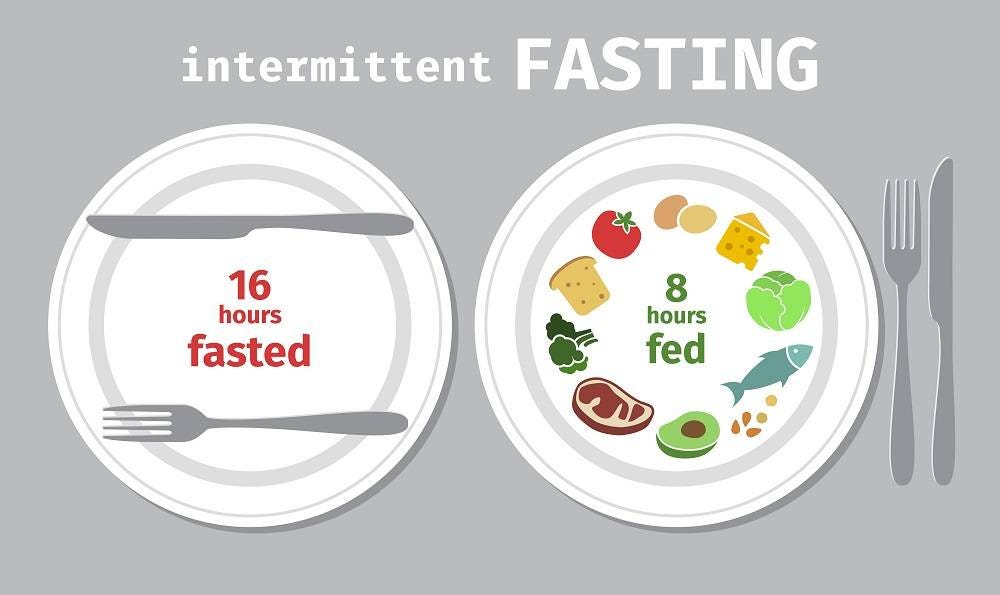
This is the most common approach. You fast for 16 hours and eat during an 8-hour window. For example, eating between 12 PM and 8 PM and fasting the rest of the time.
2. 5:2 Method
You eat normally for five days a week and reduce calorie intake (around 500–600 calories) on two non-consecutive days.
3. Eat-Stop-Eat
This involves a 24-hour fast once or twice per week. For example, dinner one day to dinner the next.
4. Alternate-Day Fasting
You alternate between regular eating days and fasting or very low-calorie days.
Beginners usually find the 16/8 method the easiest and most sustainable.
How Intermittent Fasting Helps with Weight Loss
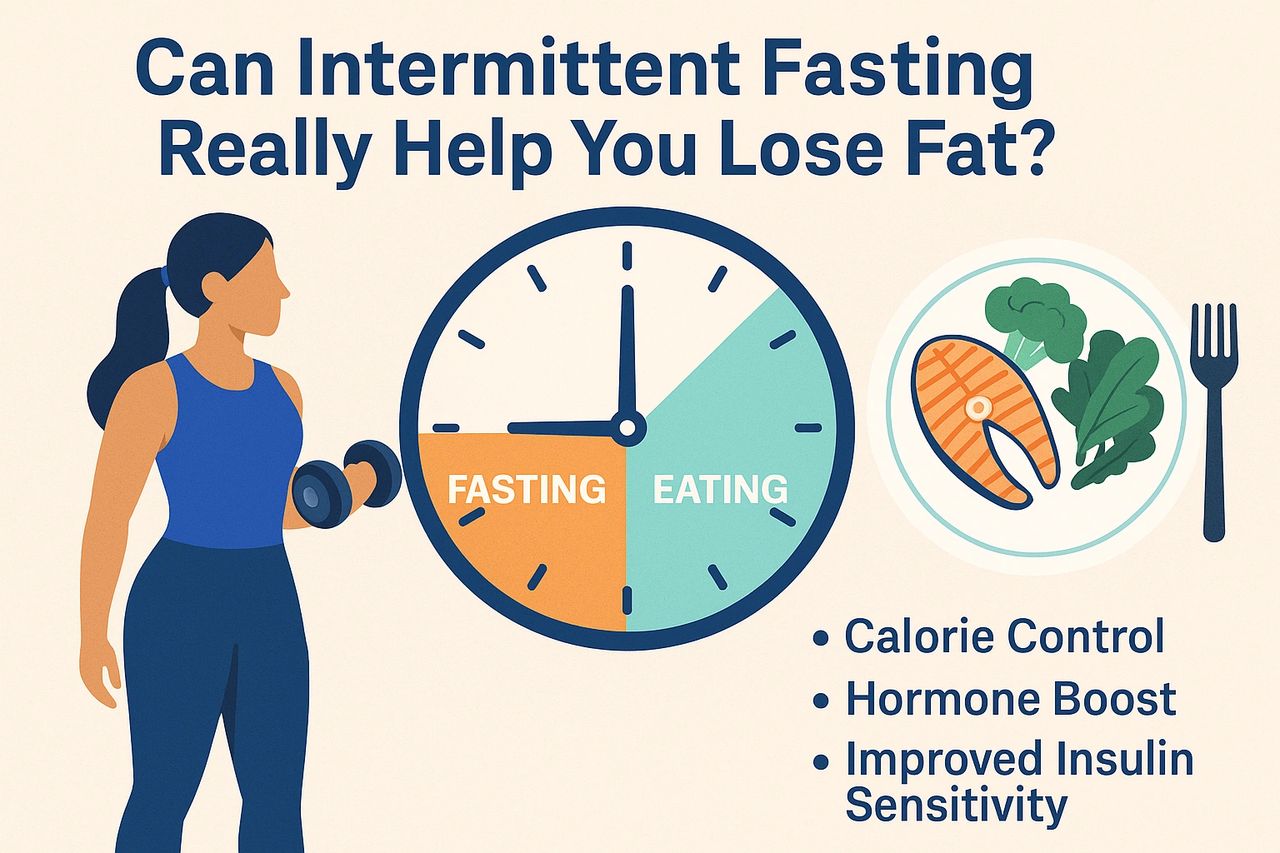 One of the biggest reasons people try intermittent fasting is fat loss. Here’s why it works:
When you eat, your body uses glucose (sugar) from food for energy. When you fast, insulin levels drop, and your body starts burning stored fat for fuel. This process is called metabolic switching.
Intermittent fasting also helps by:
-
Reducing overall calorie intake naturally
-
Increasing fat-burning hormones
-
Improving insulin sensitivity
-
Preventing late-night snacking
Because you eat fewer meals, you often consume fewer calories without feeling deprived.
Health Benefits Beyond Weight Loss
Intermittent fasting is not just about getting slimmer. Research shows it may support overall health in many ways.
Improved Metabolism
Fasting gives your digestive system a break and helps regulate blood sugar levels, reducing the risk of type 2 diabetes.
Better Heart Health
It may lower bad cholesterol (LDL), triglycerides, and blood pressure — all risk factors for heart disease.
Cellular Repair and Longevity
During fasting, the body activates a process called autophagy, where damaged cells are cleaned out and recycled. This is linked to healthier aging.
Brain Function Support
Fasting may increase brain hormones that support memory, learning, and focus.
Reduced Inflammation
Chronic inflammation is linked to many diseases. Intermittent fasting may help reduce inflammatory markers in the body.
What Can You Eat During Intermittent Fasting?
Even though timing is key, food quality still matters. Eating junk food in your eating window won’t give you the best results.
Focus on:
-
Fruits and vegetables
-
Whole grains
-
Lean proteins like eggs, chicken, fish, and legumes
-
Healthy fats such as nuts, seeds, and olive oil
-
Plenty of water
During fasting hours, stick to water, black coffee, or herbal tea without sugar.
Common Mistakes to Avoid
Many beginners struggle because of simple errors. Avoid these to get better results:
Overeating during eating windows – Fasting isn’t an excuse to binge.
Not drinking enough water – Dehydration can cause fatigue and headaches.
Starting too aggressively – Gradually increase fasting hours.
Ignoring sleep – Poor sleep can slow weight loss.
Eating low-nutrient foods – Nutrient-rich meals keep you full longer.
Who Should Avoid Intermittent Fasting?
 Intermittent fasting is not for everyone. It may not be suitable for:
-
Pregnant or breastfeeding women
-
People with eating disorders
-
Individuals with diabetes (without medical supervision)
-
Underweight individuals
-
People with chronic health conditions
Always consult a healthcare professional before starting, especially if you have medical issues.
Tips to Start Intermittent Fasting Safely
If you’re new to intermittent fasting, follow these steps:
Start slow – Begin with a 12-hour fast and gradually increase.
Stay hydrated – Drink water regularly.
Eat balanced meals – Focus on protein, fiber, and healthy fats.
Listen to your body – If you feel dizzy or weak, adjust your schedule.
Be consistent – Results take time.
Final Thoughts on Intermittent Fasting
Intermittent fasting is a flexible, simple, and effective way to improve health and manage weight. It doesn’t require expensive foods or complicated meal plans. By giving your body structured eating times, you allow it to burn fat, repair cells, and function more efficiently.
Like any lifestyle change, success comes from consistency and smart choices. When combined with nutritious meals, good sleep, and regular exercise, intermittent fasting can be a powerful tool for long-term wellness.