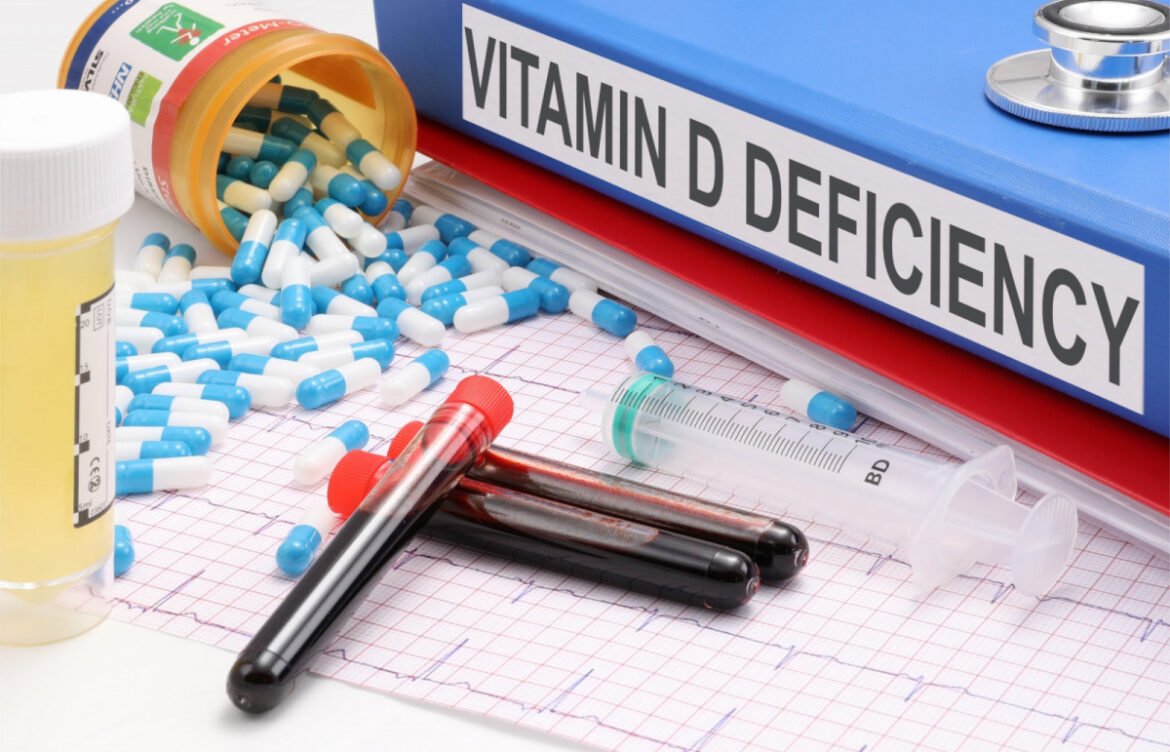
If you often feel tired, low, or unwell without a clear reason, Low Vitamin D levels could be silently affecting your body. Although many people overlook this nutrient, it plays a major role in keeping your bones strong, your mood stable, and your immune system active. Therefore, understanding the early warning signs can help you take action before serious problems appear.
Constant Fatigue and Low Energy
First of all, ongoing tiredness is one of the most common signals of Low Vitamin D levels. Even after proper sleep, you may feel drained throughout the day. As a result, your productivity drops and daily tasks feel harder than usual. Since this essential nutrient supports energy regulation, low levels often lead to persistent fatigue.
Bone Pain and Back Discomfort
Next, unexplained bone or lower back pain can point to Low Vitamin D in the body. Because it helps your system absorb calcium, reduced levels weaken bones over time. Consequently, you may notice aches, stiffness, or discomfort, especially during movement or long sitting hours.
Mood Changes and Feeling Low
In addition, sudden mood changes deserve attention. Research shows a strong link between Low Vitamin D and feelings of sadness or low motivation. Moreover, this nutrient supports brain health, so reduced levels may affect emotional balance. If you feel unusually down without a clear reason, this could be a hidden cause.
Frequent Infections and Slow Recovery
Another important sign involves your immune system. When Low Vitamin D affects your body, you may catch colds or infections more often. Furthermore, wounds and illnesses may take longer to heal. Since it supports immune response, insufficient levels leave your body more vulnerable.
Muscle Weakness and Body Pain
Similarly, muscle weakness or unexplained body pain can signal Low Vitamin D. You may struggle with basic activities like climbing stairs or lifting light objects. Over time, this weakness can increase the risk of falls and injuries, especially in adults.
Hair Thinning and Skin Concerns
Although many factors influence hair and skin health, Low Vitamin D can also contribute to hair thinning. Additionally, your skin may appear dull or dry. Because this nutrient supports cell growth, low levels may slow natural repair processes.
Who Is at Higher Risk?
Certain groups face a higher chance of Low Vitamin D levels. For example, people who avoid sunlight, spend most time indoors, or use heavy sun protection may not produce enough naturally. Likewise, older adults and people with digestive issues often struggle with absorption.
Simple Ways to Improve Your Levels
Fortunately, you can take steps to manage Low Vitamin D effectively. First, try spending short periods in sunlight several times a week. Additionally, include foods like eggs, fortified milk, and fatty fish in your diet. However, always consult a healthcare professional before starting supplements.
Final Thoughts
In conclusion, ignoring Low Vitamin D can slowly affect your energy, mood, bones, and immunity. Therefore, paying attention to early signs helps you protect your long-term health. By making small lifestyle changes and staying informed, you can support your body naturally and feel your best every day.