
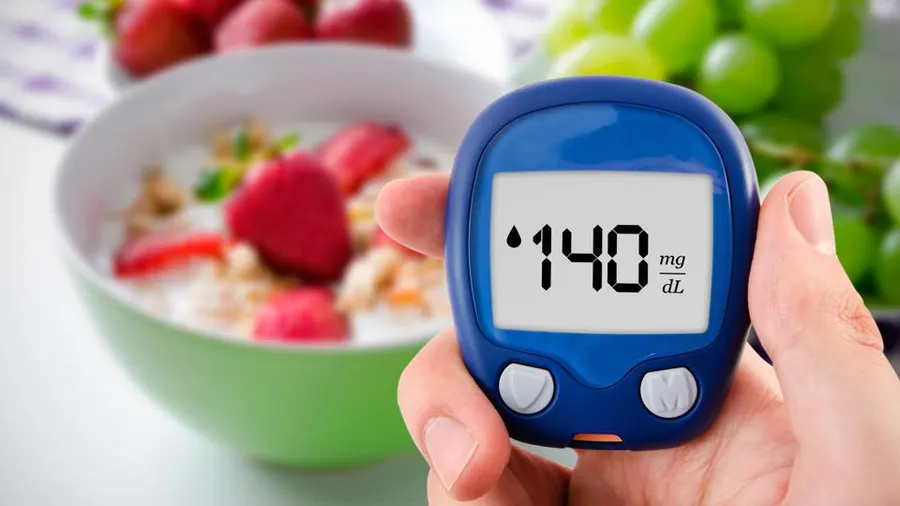
Prediabetes Warning Signs: Learn the Early Signals Before It’s Too Late
Prediabetes is a silent condition that affects millions of people without them even realizing it. It happens when your blood sugar levels are higher than normal but not yet high enough to be diagnosed as type 2 diabetes. The scary part is that most people don’t notice any symptoms until the damage has already begun. The good news? Prediabetes can be reversed with early detection and lifestyle changes. Recognizing the warning signs is the first step toward protecting your health.
In this article, we will explore the most common prediabetes warning signs, why they happen, and how you can take practical steps to prevent the onset of diabetes.
What Is Prediabetes and Why Does It Happen?
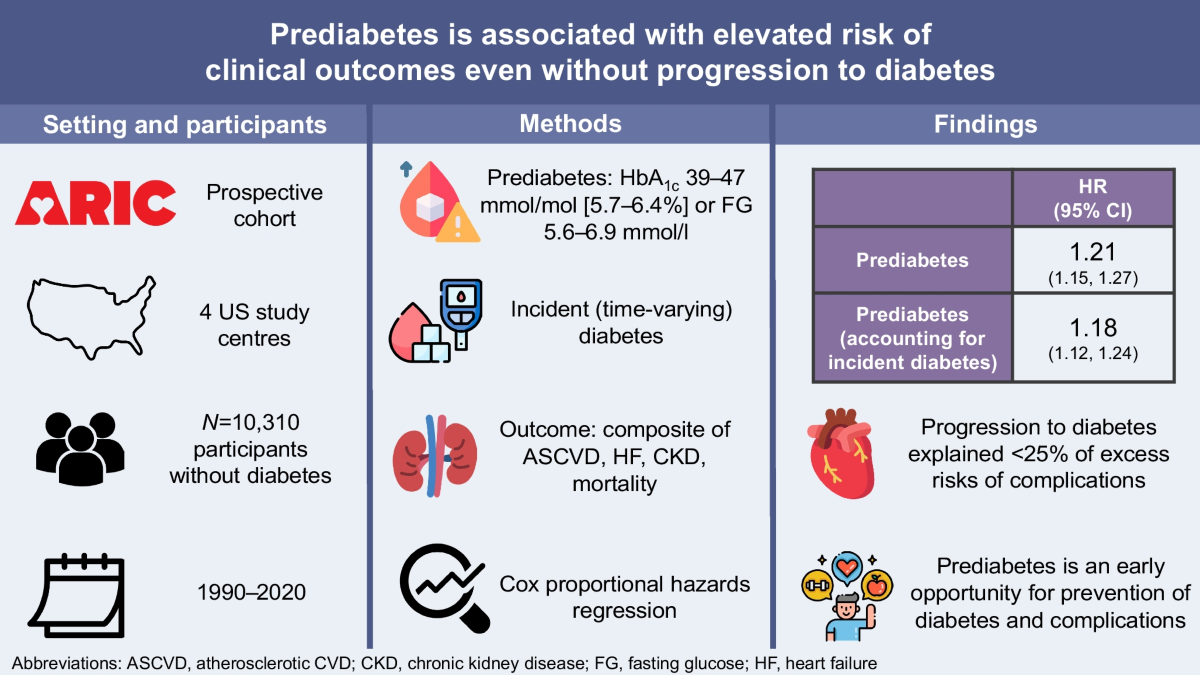 Prediabetes occurs when the body becomes resistant to insulin—the hormone that regulates blood sugar. As a result, glucose (sugar) starts building up in the bloodstream instead of being used for energy. Poor food choices, lack of exercise, stress, and genetics all play a role.
Many people ignore the early symptoms because they appear slowly and may not seem serious. However, identifying them early can protect you from heart disease, nerve damage, type 2 diabetes, and other life-threatening complications.
Common Warning Signs of Prediabetes
1. Constant Fatigue and Low Energy
Feeling tired all the time, even after getting enough sleep, can be a sign that your body is struggling to convert sugar into energy. When glucose remains in the blood instead of entering cells, it causes a constant feeling of exhaustion and sluggishness.
2. Increased Thirst and Frequent Urination
If you are suddenly drinking a lot more water and using the bathroom more often, don’t ignore it. High blood sugar pulls fluids from your tissues, which triggers thirst. The kidneys work overtime to remove excess sugar, which leads to frequent urination.
3. Sudden Weight Gain or Difficulty Losing Weight
Insulin resistance makes the body store more fat, especially around the belly area. Even if you eat normally or try to diet, you might still gain weight or struggle to lose it.
4. Intense Cravings for Sugary and Carbohydrate-Rich Foods
When blood sugar drops suddenly after a spike, the body craves quick energy in the form of sweets, bread, rice, or junk food. This cycle of cravings is a major red flag for prediabetes.
5. Dark Patches on the Skin
A skin condition called Acanthosis Nigricans can appear on the neck, underarms, groin, or knuckles. These dark, velvety patches indicate high insulin levels and are one of the strongest physical signs of prediabetes.
6. Tingling or Numbness in Hands and Feet
High blood sugar can start affecting nerves even in the prediabetes stage. If you feel pins and needles, burning, or numbness in your hands and feet, do not ignore the symptom.
7. Blurry Vision
Fluctuating blood sugar can cause fluid to move in and out of the eyes, leading to temporary blurred vision. Many people mistake this for eyesight issues instead of warning signs of insulin resistance.
Who Is at Higher Risk of Prediabetes?
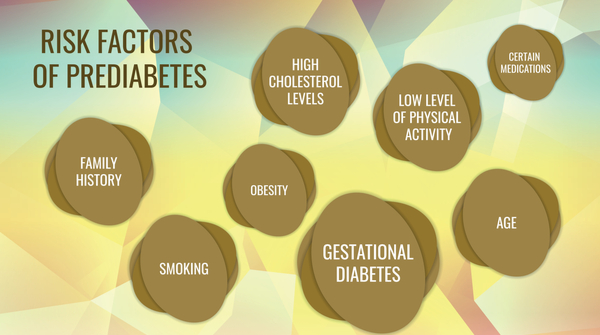
Anyone can develop prediabetes, but some factors increase the risk:
-
Family history of diabetes
-
Being overweight or obese
-
Sedentary lifestyle
-
Poor diet high in sugar and refined carbs
-
Women with PCOS
-
People over 45
-
High blood pressure or high cholesterol
-
History of gestational diabetes
If you fall into these categories, regular blood sugar screening is extremely important.
What to Do If You Notice These Warning Signs
The most empowering thing about prediabetes is that it is reversible. Small lifestyle improvements today can completely change your future health.
1. Switch to a Balanced Diet
Choose whole foods like vegetables, fruits, whole grains, nuts, lean proteins, and healthy fats. Reduce sugary drinks, junk food, and refined carbs.
2. Exercise Regularly
Even 30 minutes of brisk walking a day can improve insulin sensitivity and reduce blood sugar levels.
3. Maintain a Healthy Weight
Losing even 5–7% of your total body weight can significantly reduce the risk of diabetes.
4. Get Enough Sleep and Manage Stress
Lack of sleep and chronic stress trigger hormonal imbalance, leading to high blood sugar and cravings. Meditation, breathing exercises, and proper sleep can help.
5. Monitor Blood Sugar Levels
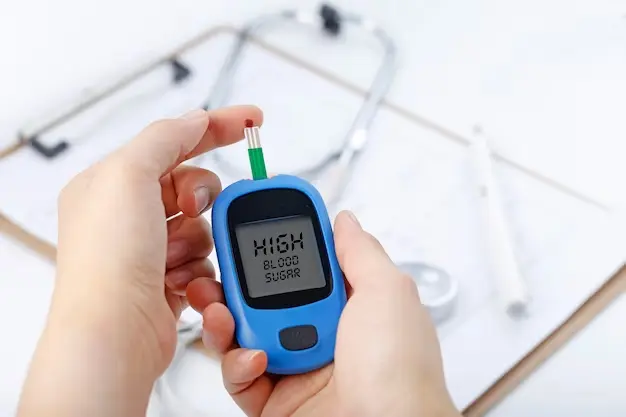 If you notice the warning signs, consult a healthcare professional and get tested early. Early diagnosis can prevent long-term complications and give you time to reverse the condition.
Final Thoughts
Prediabetes doesn’t appear overnight — it develops slowly, and the body sends subtle signals along the way. Unfortunately, many people ignore these signs until diabetes becomes inevitable. By paying attention to your energy levels, skin changes, eating patterns, and weight fluctuations, you can catch prediabetes early and take control.
You have the power to reverse prediabetes naturally through simple lifestyle changes. Every healthy step you take now moves you closer to a stronger heart, better metabolism, improved energy, and long-term wellness.