

Sleep Hygiene Basics: Simple Habits for Better Sleep and Health
In today’s fast-paced world, quality sleep often takes a back seat to work, screens, and stress. Many people struggle with falling asleep, staying asleep, or waking up feeling refreshed. This is where sleep hygiene basics come in. Sleep hygiene refers to healthy habits and routines that help you get consistent, deep, and restorative sleep.
Good sleep is not a luxury—it’s a necessity for physical health, mental clarity, emotional balance, and overall well-being. In this article, we’ll explore what sleep hygiene is, why it matters, and simple, practical steps you can follow to improve your sleep naturally.
What Is Sleep Hygiene?
Sleep hygiene is a set of daily practices and environmental factors that promote high-quality sleep. It’s not about strict rules or expensive products; instead, it focuses on small, consistent habits that signal your body and brain that it’s time to rest.
Poor sleep hygiene can lead to insomnia, daytime fatigue, mood swings, low concentration, and long-term health issues. On the other hand, good sleep hygiene helps regulate your internal clock, improve sleep duration, and enhance sleep quality.
Why Sleep Hygiene Is Important for Overall Health
Sleep affects nearly every system in the body. When sleep hygiene is ignored, the consequences can go far beyond feeling tired.
Benefits of Good Sleep Hygiene

Improves focus, memory, and productivity
-
Helps regulate weight and metabolism
-
Reduces stress, anxiety, and depression
-
Lowers the risk of heart disease and diabetes
By practicing basic sleep hygiene, you give your body the chance to repair, recharge, and reset each night.
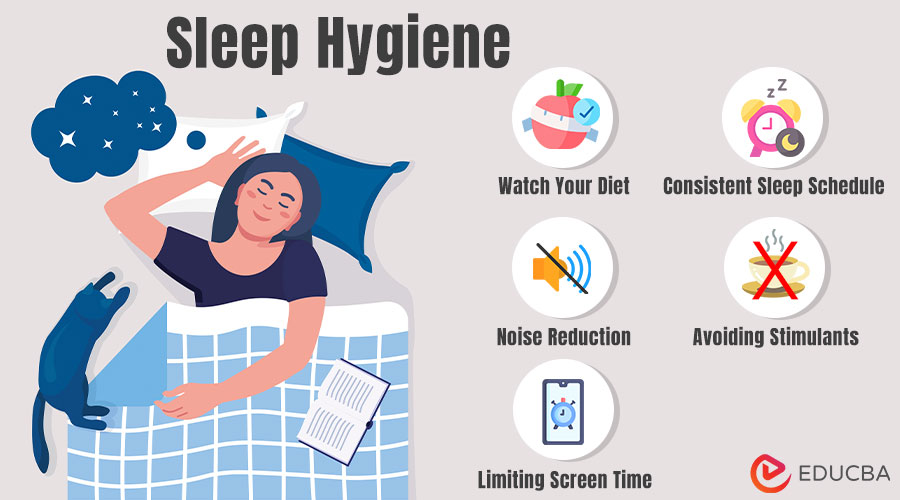
Maintain a Consistent Sleep Schedule
One of the most important sleep hygiene basics is consistency. Going to bed and waking up at the same time every day—even on weekends—helps regulate your circadian rhythm.
When your body knows when to expect sleep, it becomes easier to fall asleep naturally and wake up feeling refreshed. Avoid sleeping in too late, as it can disrupt your nighttime sleep cycle.
Tip: Set a regular bedtime reminder to help you wind down.
Create a Sleep-Friendly Bedroom Environment
Your bedroom plays a major role in sleep quality. A calm, comfortable, and distraction-free space makes it easier for your brain to relax.
Key Elements of a Good Sleep Environment
-
Dark: Use blackout curtains or dim lighting
-
Quiet: Reduce noise or use white noise if needed
-
Cool: Keep the room slightly cool (around 18–22°C)
-
Comfortable: Invest in a supportive mattress and pillows
Your bed should be associated with sleep—not work, scrolling, or watching TV.
Limit Screen Time Before Bed
Excessive screen use is one of the biggest enemies of good sleep hygiene. Phones, tablets, and laptops emit blue light, which suppresses melatonin—the hormone responsible for sleep.
Try to avoid screens at least one hour before bedtime. Instead, choose relaxing activities like reading a book, journaling, or gentle stretching.
If avoiding screens is difficult, consider using blue-light filters or night mode settings.
Be Mindful of Food and Drinks at Night
What you eat and drink in the evening can directly affect your sleep.
Foods and Habits to Avoid Before Bed
-
Caffeine (coffee, tea, energy drinks, chocolate)
-
Heavy, spicy, or greasy meals
-
Excessive sugar
-
Alcohol close to bedtime
Instead, opt for light snacks like warm milk, bananas, or nuts if you’re hungry. Staying hydrated is important, but try to limit fluids right before bed to avoid nighttime awakenings.
Develop a Relaxing Bedtime Routine
A calming bedtime routine helps your body transition from a busy day to restful sleep. Repeating the same relaxing steps each night trains your brain to recognize sleep cues.
Examples of Relaxing Bedtime Activities
 Deep breathing or meditation
-
Light yoga or stretching
-
Listening to soft music
-
Taking a warm shower
-
Practicing gratitude
Even 15–30 minutes of intentional relaxation can make a big difference.
Get Natural Light During the Day
Exposure to natural daylight, especially in the morning, helps regulate your internal clock. It improves alertness during the day and promotes better sleep at night.
Try to spend time outdoors, open your curtains early, or take a short walk in the morning sunlight. At the same time, reduce bright lights in the evening to signal your body that it’s time to wind down.
Stay Physically Active—but Not Too Late
Regular physical activity improves sleep quality and helps reduce stress. Exercise helps you fall asleep faster and enjoy deeper sleep.
However, intense workouts too close to bedtime may have the opposite effect. Aim to finish heavy exercise at least 3–4 hours before sleep. Gentle movements like walking or stretching are better options in the evening.
Manage Stress and Racing Thoughts
Stress and overthinking are common reasons for poor sleep. When the mind is restless, the body struggles to relax.
Simple stress-management techniques like journaling, mindfulness, or breathing exercises can calm your thoughts before bed. Writing down worries or a to-do list for the next day can help clear your mind.
Remember, sleep is not something you force—it’s something you allow.
Avoid Long Daytime Naps
While short naps can be refreshing, long or late-afternoon naps can interfere with nighttime sleep. If you need to nap, keep it short—20 to 30 minutes—and avoid napping after 4 p.m.
This helps preserve your natural sleep pressure, making it easier to fall asleep at night.
When to Seek Professional Help
If you follow good sleep hygiene basics but still struggle with sleep for weeks or months, it may be time to consult a healthcare professional. Chronic insomnia, sleep apnea, or other sleep disorders require proper diagnosis and treatment.
Sleep hygiene is powerful, but it works best when combined with professional guidance if needed.
Final Thoughts on Sleep Hygiene Basics
Good sleep doesn’t happen by accident—it’s built through daily habits and mindful choices. By practicing these sleep hygiene basics, you can improve not only your sleep but also your energy, mood, and overall quality of life.
Start small. Choose one or two habits and build from there. Over time, your body will thank you with deeper, more restful sleep and better days ahead.