
Symptoms, Diagnosis, and Lifestyle Tips for Women With PCOS
Polycystic Ovary Syndrome (PCOS) is one of the most common hormonal disorders affecting women of reproductive age. Despite being widespread, PCOS is often misunderstood, misdiagnosed, or ignored for years. Many women live with symptoms without realizing they are connected. This article explains PCOS symptoms, diagnosis, and lifestyle tips in a simple, human, and practical way to help women understand and manage this condition better.
What Is PCOS?
PCOS (Polycystic Ovary Syndrome) is a hormonal imbalance that affects how a woman’s ovaries work. It is linked to irregular periods, excess male hormones (androgens), and problems with ovulation. PCOS can also impact metabolism, mental health, fertility, and long-term health if not managed properly.
Common Symptoms of PCOS in Women
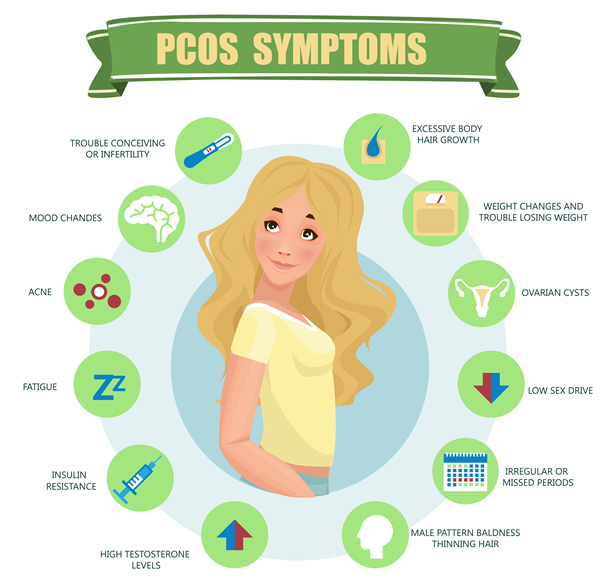
PCOS symptoms vary from woman to woman. Some may experience only a few signs, while others face multiple challenges at once.
Irregular or Missed Periods
One of the earliest and most common symptoms of PCOS is irregular menstrual cycles. Periods may come late, be very light, or stop altogether. This happens because ovulation does not occur regularly.
Excess Hair Growth (Hirsutism)
Many women with PCOS notice unwanted hair growth on the face, chin, chest, stomach, or back. This is caused by higher levels of androgens (male hormones) in the body.
Acne and Oily Skin
Hormonal imbalance can lead to persistent acne, especially on the face, jawline, chest, and back. Adult acne that doesn’t respond to usual treatments can be a sign of PCOS.
Weight Gain or Difficulty Losing Weight

PCOS is often linked with insulin resistance, making weight management harder. Many women gain weight around the abdomen and struggle to lose it despite diet and exercise.
Thinning Hair or Hair Loss
Hair thinning on the scalp, especially near the crown or hairline, is another symptom related to excess androgens. This can be emotionally distressing for many women.
Dark Patches of Skin
Dark, velvety patches on the neck, underarms, or inner thighs (called acanthosis nigricans) may indicate insulin resistance, a common issue in PCOS.
Fertility Problems
PCOS is a leading cause of infertility due to irregular ovulation. However, with proper treatment and lifestyle changes, many women with PCOS can conceive successfully.
How PCOS Is Diagnosed
There is no single test for PCOS. Diagnosis usually involves a combination of medical history, physical examination, blood tests, and imaging.
Medical History and Symptoms Review
Doctors first ask about menstrual cycles, weight changes, acne, hair growth, and family history. Honest communication is important for accurate diagnosis.
Physical Examination
A physical exam may include checking blood pressure, body mass index (BMI), hair growth patterns, acne, and skin changes.
Blood Tests
Blood tests help measure hormone levels, including androgens, insulin, and other reproductive hormones. These tests also help rule out other conditions with similar symptoms.
Pelvic Ultrasound
An ultrasound may be used to examine the ovaries. Many women with PCOS have enlarged ovaries with multiple small follicles, often called “cysts,” though not all women with PCOS have them.
Lifestyle Tips for Women With PCOS
While there is no permanent cure for PCOS, lifestyle changes play a powerful role in managing symptoms and improving overall health.
Follow a Balanced, PCOS-Friendly Diet
A healthy diet helps regulate blood sugar and hormones.
-
Focus on whole foods like vegetables, fruits, lean proteins, nuts, and seeds
-
Choose complex carbohydrates such as whole grains instead of refined carbs
-
Reduce sugar, processed foods, and sugary drinks
-
Include healthy fats like olive oil, avocado, and omega-3-rich foods
Small, consistent changes are more effective than extreme dieting.
Maintain a Healthy Weight
Even a modest weight loss of 5–10% can help regulate periods, improve insulin sensitivity, and reduce androgen levels. The goal is long-term health, not quick fixes.
Exercise Regularly
Physical activity improves insulin resistance, supports weight management, and boosts mood.
-
Aim for at least 30 minutes of movement most days
-
Combine cardio (walking, cycling) with strength training
-
Yoga and stretching can help reduce stress and improve hormonal balance
Manage Stress Levels
Chronic stress can worsen hormonal imbalance. Stress management is often overlooked but very important.
-
Practice mindfulness or meditation
-
Get enough sleep (7–9 hours)
-
Take breaks and set boundaries
-
Engage in hobbies that bring joy
Improve Sleep Quality
Poor sleep can worsen insulin resistance and cravings. Maintain a regular sleep schedule and limit screen time before bed.
Avoid Smoking and Limit Alcohol
Smoking and excessive alcohol intake can worsen PCOS symptoms and increase long-term health risks.
Emotional and Mental Health Support for PCOS
Living with PCOS can affect self-esteem, mood, and mental health. Anxiety, depression, and body image issues are common but often unspoken.
-
Talk openly with healthcare providers
-
Seek counseling or support groups
-
Connect with other women who have PCOS
Remember, PCOS is not a personal failure—it is a medical condition.
When to See a Doctor
If you experience irregular periods, sudden weight gain, excess hair growth, acne, or fertility concerns, consult a healthcare professional. Early diagnosis and management can prevent complications like type 2 diabetes, heart disease, and infertility.
Final Thoughts
PCOS is a lifelong condition, but it does not define a woman’s worth or limit her potential. With the right knowledge, medical guidance, and lifestyle changes, women with PCOS can live healthy, confident, and fulfilling lives. Understanding your body is the first step toward taking control of your health.
If you suspect PCOS, listen to your body, seek support, and remember—you are not alone.
- No Comments
- January 3, 2026