
The Role of Hormones in Breast Cancer Development:
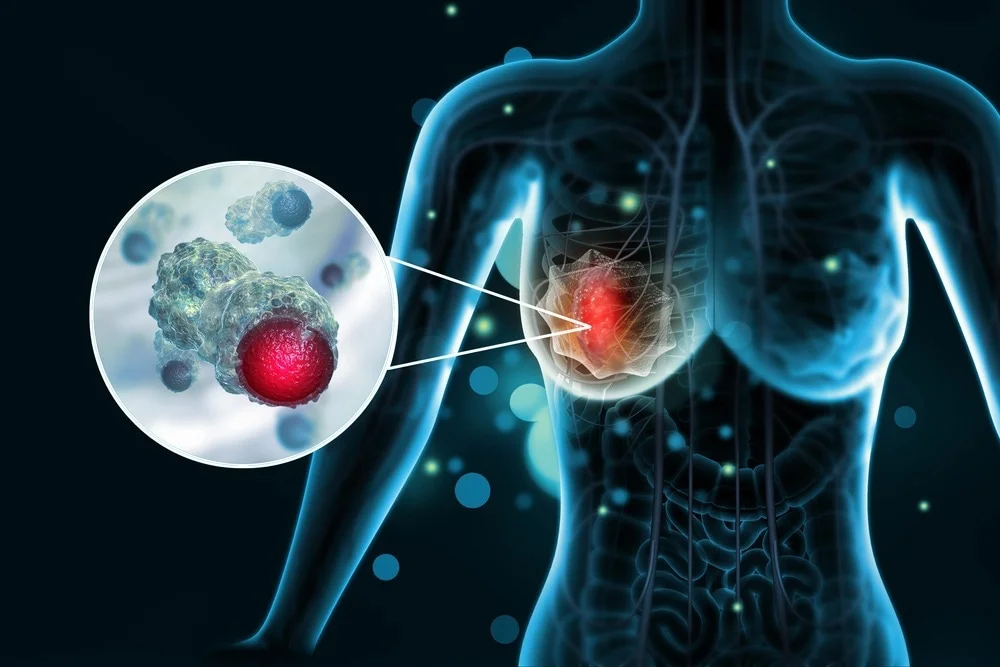
. While genetics, age, and lifestyle choices play a major role in its development, one key factor often overlooked is hormonal influence. Hormones are chemical messengers that regulate almost every function in the body — from growth to reproduction. But when these hormones, especially estrogen and progesterone, become imbalanced, they can contribute to the development and growth of breast cancer cells.
In this article, we’ll explore how hormones influence breast cancer, the role of estrogen and progesterone, and how hormonal therapies are used in treatment and prevention.
What Are Hormones and Why Do They Matter in Breast Cancer?
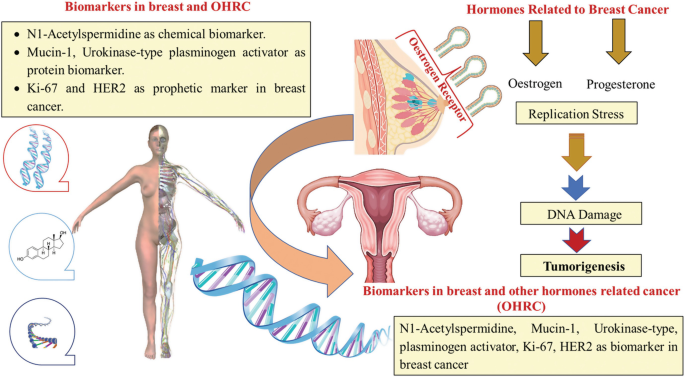
Hormones are substances produced by glands in the endocrine system that help control body processes. In women, estrogen and progesterone are the two primary hormones influencing breast tissue growth and menstrual cycles. These hormones are vital for normal body functions, but prolonged exposure or imbalance can increase the risk of breast cancer.
Breast cancer cells that depend on these hormones to grow are called hormone receptor-positive cancers. Understanding the interaction between hormones and breast cells helps doctors design better prevention and treatment strategies.
The Role of Estrogen in Breast Cancer Development
Estrogen is often considered the key hormone in breast cancer development. It stimulates the growth of breast tissue during puberty, pregnancy, and menstrual cycles. However, continuous or excessive exposure to estrogen can lead to abnormal cell growth, increasing the chances of mutations that result in cancer.
How Estrogen Affects Breast Cells
-
Estrogen binds to estrogen receptors (ER) found on some breast cells.
-
When this happens, it signals the cell to grow and divide.
-
If this process becomes uncontrolled due to high estrogen levels, it can cause cells to multiply too quickly, potentially forming tumors.
Research shows that women with higher lifetime exposure to estrogen—such as those who began menstruating early, had late menopause, or never had children—may have a higher risk of developing breast cancer.
Progesterone and Its Dual Role
While estrogen gets most of the attention, progesterone also plays a complex role. It helps regulate menstrual cycles and supports pregnancy, but like estrogen, it can promote the growth of hormone-sensitive breast cells.
Progesterone interacts with progesterone receptors (PR) in breast tissue. When both estrogen and progesterone levels are elevated, breast cells grow and divide more actively, which can lead to abnormal cell changes.
Interestingly, some studies suggest that progesterone may have both protective and harmful effects, depending on timing and concentration. Researchers continue to explore its exact role in breast cancer risk and progression.
Hormone Receptor-Positive Breast Cancer
Around two-thirds of breast cancers are hormone receptor-positive (HR+), meaning the cancer cells grow in response to estrogen and/or progesterone. These types of breast cancers are often more responsive to hormone-blocking treatments and may grow slower than hormone receptor-negative cancers.
Doctors typically perform tests to determine whether a tumor is:
-
ER-positive (Estrogen Receptor Positive)
-
PR-positive (Progesterone Receptor Positive)
-
HER2-positive or negative (a growth-promoting protein)
Understanding the receptor status helps oncologists choose the most effective treatment plan.
How Hormonal Imbalances Increase Breast Cancer Risk
Several factors can cause hormonal imbalance, increasing breast cancer risk. Some of the most common include:
-
Hormone Replacement Therapy (HRT):
Long-term use of HRT for menopause symptoms can increase estrogen and progesterone levels, which may stimulate cancer cell growth. -
Oral Contraceptives:
Some birth control pills containing both estrogen and progesterone have been linked to a slight increase in breast cancer risk, though the risk decreases after discontinuation. -
Obesity:
Fat tissue produces estrogen, so postmenopausal women with higher body fat tend to have elevated estrogen levels, contributing to cancer risk. -
Alcohol Consumption:
Alcohol can raise estrogen levels in the blood, further increasing breast cancer risk. -
Lack of Physical Activity:
Regular exercise helps regulate hormones and reduce estrogen levels, lowering cancer risk.
Hormonal Therapy in Breast Cancer Treatment
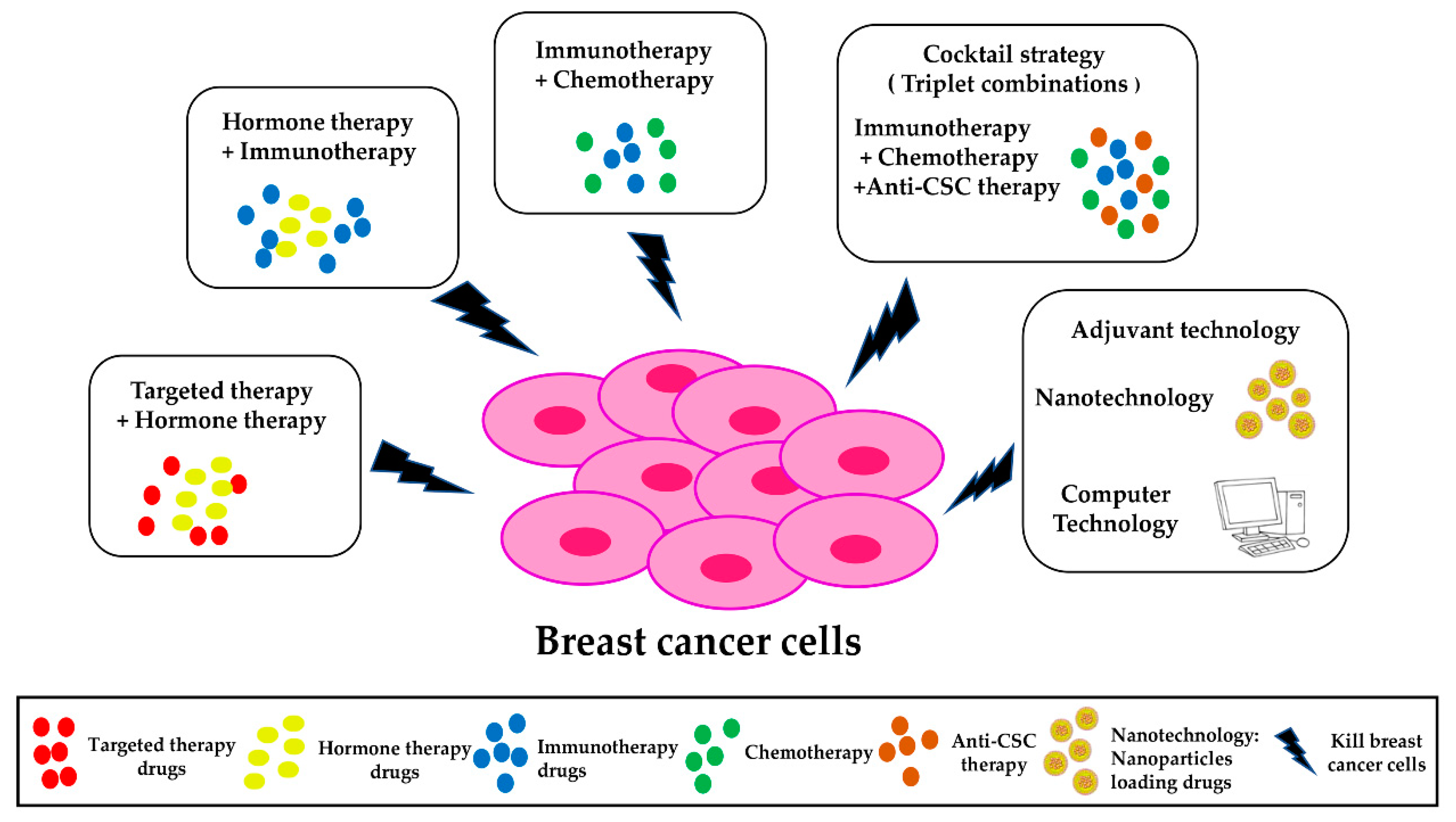
Hormone therapy, also known as endocrine therapy, is one of the most effective treatments for hormone receptor-positive breast cancer. The goal is to block or reduce the effects of hormones on breast cancer cells.
Common types of hormonal therapy include:
-
Selective Estrogen Receptor Modulators (SERMs):
Drugs like Tamoxifen block estrogen receptors, preventing estrogen from attaching to cancer cells. -
Aromatase Inhibitors (AIs):
Medications such as Anastrozole, Letrozole, and Exemestane reduce the amount of estrogen produced in postmenopausal women. -
Ovarian Suppression:
For premenopausal women, treatments that suppress ovarian function can reduce estrogen production.
These therapies have been shown to significantly lower the risk of recurrence in hormone receptor-positive breast cancer patients.
Lifestyle Choices to Balance Hormones Naturally
While genetics and age are beyond our control, certain lifestyle habits can help balance hormones and lower breast cancer risk:
-
Eat a hormone-friendly diet: Include fiber-rich foods, cruciferous vegetables (like broccoli and kale), and omega-3 fatty acids.
-
Limit processed foods and sugar: These can cause insulin spikes and disrupt hormonal balance.
-
Exercise regularly: Physical activity helps reduce estrogen levels and maintain a healthy weight.
-
Avoid excessive alcohol and smoking: Both can alter hormone metabolism and increase cancer risk.
-
Get enough sleep: Hormonal regulation is closely tied to your body’s sleep-wake cycle.
Future Research: Hormones and Precision Medicine
With advancements in genetics and biotechnology, researchers are exploring personalized hormone-based therapies. Understanding how hormones interact with specific genetic mutations could lead to more precise and effective treatments. The goal is to predict which patients will benefit most from hormone therapies and reduce unwanted side effects.
Conclusion
The link between hormones and breast cancer is undeniable. Estrogen and progesterone are vital for female health but can also fuel the growth of cancer cells when imbalanced. Awareness, regular screenings, and lifestyle adjustments can go a long way in prevention. For those diagnosed with hormone receptor-positive breast cancer, hormone therapy offers hope by targeting the root cause of cancer growth.
By understanding the role of hormones, women can take proactive steps to manage their health and reduce breast cancer risk through informed decisions and healthy living.