

Tips for U.S. Office and Remote Workers to Manage Burnout and Seek Help
Burnout has quietly become one of the biggest workplace challenges in the United States. Whether you work in a corporate office, from home, or in a hybrid setup, constant pressure, long hours, and blurred work-life boundaries can slowly drain your energy and motivation. Many U.S. office and remote workers feel exhausted, disconnected, and overwhelmed—but don’t always know how to address it.
The good news is that burnout is manageable. With the right awareness, habits, and support, you can regain balance and protect your mental and emotional well-being. This article shares practical, realistic tips to help U.S. workers manage burnout and confidently seek help when needed.
What Is Burnout and Why It Affects U.S. Workers
Burnout is more than just feeling tired after a long week. It is a state of emotional, physical, and mental exhaustion caused by prolonged stress. In the U.S., workplace culture often rewards productivity over well-being, making burnout especially common.
Office workers may feel pressure from tight deadlines, long commutes, and constant meetings. Remote workers, on the other hand, often struggle with isolation, overworking, and the inability to “switch off” after work hours. Over time, this stress can lead to anxiety, poor sleep, irritability, and even health problems.
Recognizing burnout early is the first step toward recovery.
Common Signs of Burnout You Should Not Ignore
Many people push through burnout without realizing what is happening. Watch for these warning signs:
-
Constant fatigue, even after rest
-
Loss of motivation or interest in work
-
Difficulty concentrating or making decisions
-
Frequent headaches, body aches, or sleep issues
-
Increased irritability or frustration
If these symptoms last for weeks, it’s time to take action rather than ignore them.
Tips for Office Workers to Manage Burnout Effectively
Set Clear Work Boundaries
Office workers often feel pressured to stay late or be available at all times. Setting boundaries is essential. Try to stick to defined work hours, take your lunch break away from your desk, and avoid checking emails after work whenever possible.
Boundaries help your mind reset and prevent chronic stress from building up.
Take Short Breaks During the Workday
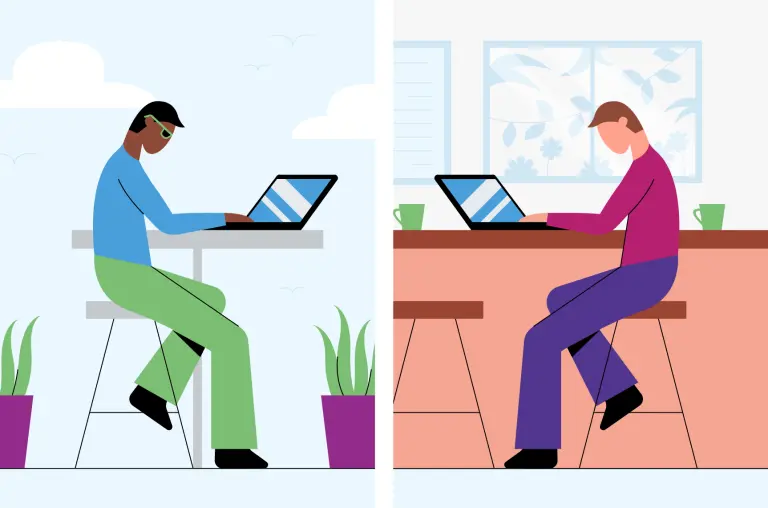 Working nonstop reduces productivity and increases exhaustion. Short breaks—such as a 5-minute walk, stretching, or deep breathing—can refresh your energy and focus. Even stepping outside for fresh air can make a noticeable difference.
Communicate Your Workload Honestly
Many employees hesitate to speak up about being overwhelmed. However, honest communication with managers or supervisors can lead to better workload management, realistic deadlines, or additional support. Asking for help is a sign of professionalism, not weakness.
Tips for Remote Workers to Prevent and Reduce Burnout
Create a Dedicated Workspace
One major challenge for remote workers is the lack of separation between work and home. Having a dedicated workspace—even a small corner—helps your brain distinguish between work time and personal time, reducing mental fatigue.
Stick to a Routine
Without structure, remote work can easily turn into overwork. Start and end your workday at the same time each day. Schedule regular breaks and log off on time to maintain balance.
Stay Socially Connected
Remote workers often experience isolation, which can worsen burnout. Make an effort to connect with coworkers through virtual check-ins, team chats, or occasional video calls. Outside of work, stay connected with friends and family to support emotional health.
Healthy Daily Habits That Reduce Burnout
Prioritize Sleep and Physical Activity
Lack of sleep intensifies stress and emotional exhaustion. Aim for 7–9 hours of quality sleep each night. Light exercise, such as walking, yoga, or stretching, can significantly reduce stress and improve mood.
Practice Mindfulness and Stress Management
Mindfulness practices like meditation, journaling, or deep breathing help calm the nervous system. Even five minutes a day can lower stress levels and increase emotional clarity.
Take Real Time Off
Using vacation days or mental health days is essential, not optional. Stepping away from work allows your body and mind to recharge, preventing long-term burnout.
How U.S. Workers Can Seek Help for Burnout
Use Employee Assistance Programs (EAPs)
Many U.S. employers offer Employee Assistance Programs that provide free or low-cost counseling, stress management resources, and mental health support. These services are confidential and designed to help employees cope with work-related stress.
Talk to a Mental Health Professional
Therapists, counselors, and psychologists can help you understand burnout triggers and develop coping strategies. Teletherapy options make it easier than ever for both office and remote workers to access professional help.
Reach Out to Trusted People
Talking to a trusted friend, family member, or coworker can ease emotional burden. You don’t have to go through burnout alone—sharing your experience can provide relief and perspective.
When to Consider Bigger Changes

If burnout persists despite lifestyle changes and support, it may be time to reassess your role, workload, or work environment. This doesn’t always mean quitting your job—it could involve requesting flexible hours, switching teams, or exploring roles that align better with your values and energy levels.
Your mental health is just as important as your career growth.
Final Thoughts: Burnout Is Manageable, and Help Is Available
Burnout is a real and common experience for U.S. office and remote workers, but it does not have to define your life or career. By recognizing the signs early, setting boundaries, building healthy habits, and seeking help without guilt, you can restore balance and well-being.
Remember, productivity improves when health comes first. Taking care of yourself is not a luxury—it is a necessity for long-term success and happiness.