
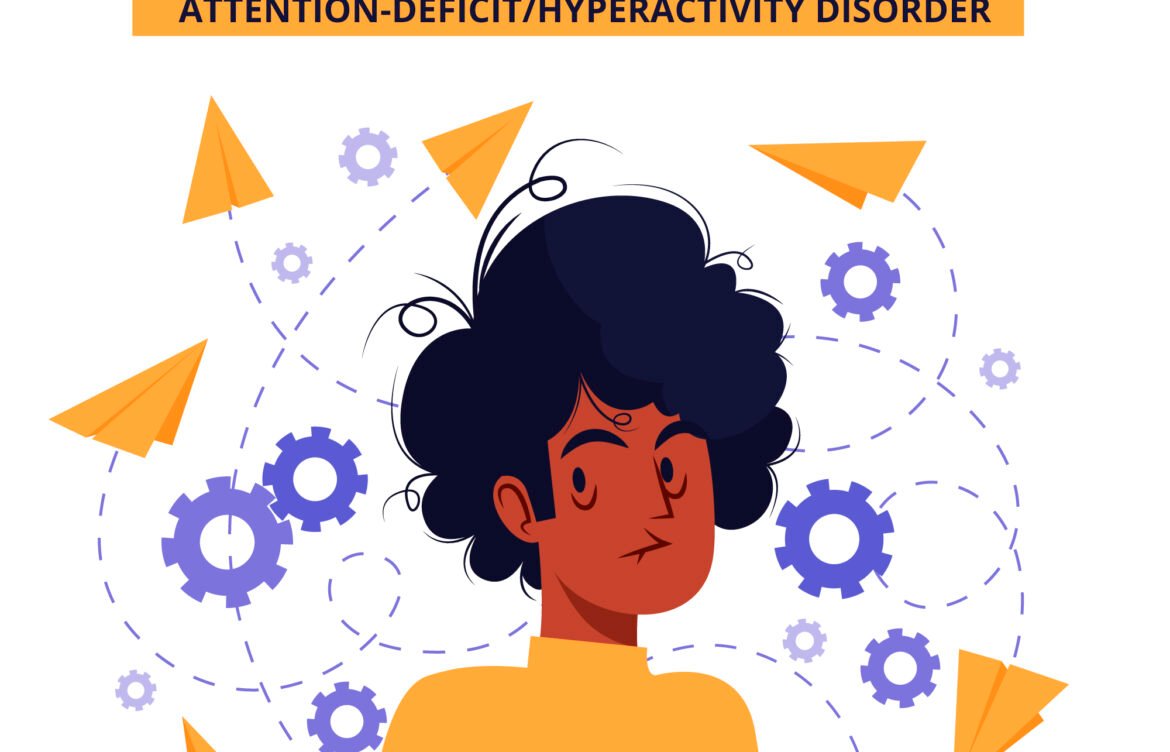
Understanding ADHD: Unlocking the Mind Behind the Movement
In today’s fast-paced world, more people are beginning to recognize the importance of mental health and neurodiversity. Among the most discussed conditions is ADHD, a disorder that affects millions worldwide. However, despite its growing awareness, many still misunderstand what it truly means to live with this condition. Let’s explore its realities, challenges, and how embracing understanding can lead to better lives.
What Is It?
To begin with, ADHD stands for Attention-Deficit/Hyperactivity Disorder — a neurological condition that impacts attention, impulsivity, and self-control. It’s not simply about being hyper or easily distracted; rather, it’s about how the brain manages focus and motivation. Interestingly, people with this condition often possess incredible creativity, energy, and problem-solving skills, even though they may struggle with organization or time management.
Common Symptoms
Moving forward, the symptoms usually appear in childhood but can continue into adulthood. These include difficulty focusing on tasks, restlessness, forgetfulness, impulsive behavior, and trouble following instructions. However, the experience varies from person to person. For instance, while some individuals struggle primarily with inattention, others may deal more with hyperactivity or impulsivity.
Importantly, these traits can interfere with daily life — from school performance to work productivity and relationships. Yet, with the right understanding and support, people can lead highly successful and fulfilling lives.
Causes and Risk Factors
Furthermore, researchers have found that this condition often runs in families, suggesting a strong genetic component. Brain structure and chemical imbalances also play a significant role. Environmental factors, such as exposure to toxins during pregnancy or early childhood, can contribute as well. Nevertheless, it’s crucial to understand that parenting or discipline styles do not cause it — it’s a biological condition that requires empathy, not blame.
Diagnosis and Early Intervention
Additionally, diagnosing ADHD involves careful evaluation by mental health professionals. They assess symptoms, behavior patterns, and family history before making a diagnosis. Early identification is essential because untreated symptoms can lead to academic struggles, low self-esteem, or anxiety. On the other hand, when detected early, individuals can access effective treatment options and thrive both personally and professionally.
Treatment and Management Strategies
Thankfully, managing this condition today has become more effective than ever. Treatment often combines medication, therapy, lifestyle changes, and emotional support. For example, behavioral therapy helps individuals develop coping mechanisms, while medications balance brain chemicals to improve focus and reduce impulsivity.
Moreover, creating structured routines, setting small goals, and using reminders or planners can significantly enhance productivity. Parents, teachers, and employers also play a vital role in offering understanding and flexibility to those managing these challenges.
Living Positively with ADHD
Despite the obstacles, living with ADHD doesn’t have to be overwhelming. Many people with the condition are highly intelligent, artistic, and innovative. With self-awareness and support, they can channel their energy into productive paths. For instance, exercise, mindfulness, and good nutrition can help stabilize mood and focus. Likewise, celebrating small wins and staying patient with personal progress fosters confidence and mental strength.
Breaking the Stigma
Equally important, society must break the stigma surrounding this condition. Too often, misconceptions label those affected as lazy or careless, which couldn’t be further from the truth. Education and open discussions can help people understand that it’s not a character flaw but a different way of processing information. When communities support inclusion and awareness, everyone benefits.
Conclusion: Embrace, Empower, and Educate
In conclusion, understanding ADHD is not just about recognizing its symptoms; it’s about appreciating the people behind the diagnosis. When we embrace neurodiversity, empower individuals through support, and educate society, we create an environment where everyone can thrive.
By staying informed and compassionate, we move one step closer to a world where people with ADHD are not defined by their challenges but celebrated for their unique strengths.