

What Is Cervical Cancer? Early Signs, Causes, and Prevention
First of all, women’s health deserves clear and honest conversations. For that reason, understanding cervical cancer becomes essential, especially because early awareness can save lives .Moreover, this condition often develops silently, which means knowledge plays a powerful role in prevention. So, let’s walk through what it is, how it starts, and how you can protect yourself—step by step.
What Is Cervical Cancer?
Early Signs You Should Never Ignore
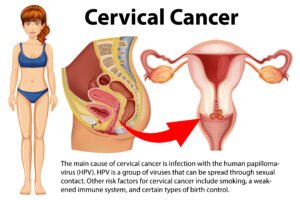
Next, recognizing symptoms early makes a real difference. Although many women feel fine in the early stages, warning signs can appear as the condition progresses. For example, unusual vaginal bleeding, pelvic pain, or discomfort during intercourse may occur. In addition, persistent lower back pain or abnormal discharge can signal a problem. Because symptoms vary, listening to your body always matters.
Main Causes and Risk Factors
Now, let’s talk about causes. In most cases, cervical cancer links strongly to persistent infection with high-risk human papillomavirus (HPV) . HPV spreads mainly through sexual contact, and many people don’t realize they carry it. Besides HPV, factors like smoking, a weakened immune system, early sexual activity, and multiple pregnancies can increase risk. As a result, awareness helps people make informed lifestyle choices.
How HPV Leads to Cervical Changes
Diagnosis and Screening
Fortunately, doctors can detect cervical cancer early through routine screening . Pap tests identify abnormal cells, while HPV tests detect the virus itself. When results show abnormalities, doctors may suggest further tests like colposcopy or biopsy. Because early detection improves outcomes, staying consistent with screenings becomes essential.
Prevention Starts With Simple Steps
Most importantly, prevention works. The HPV vaccine protects against the most dangerous virus strains. Therefore, doctors recommend it for adolescents and young adults. Along with vaccination, regular Pap smears reduce the risk of advanced cervical cancer . Additionally, safe sexual practices and quitting smoking further lower the chances of developing the disease.
Lifestyle Habits That Support Prevention

Why Awareness Saves Lives
Conclusion
 In conclusion, cervical health deserves attention at every stage of life. By staying informed, getting screened, and choosing prevention, women can protect their future. Above all, early action turns knowledge into power—and power into better health.