
Menstrual Health Awareness Tips: Understanding and Caring
Menstruation is a natural and essential part of a woman’s life, yet it is often surrounded by silence, stigma, and misinformation. Talking openly about menstrual health not only helps women understand their bodies better but also promotes hygiene, self-care, and overall well-being. This article focuses on practical menstrual health awareness tips that every woman should know to lead a healthier and more comfortable life.
Understanding Menstrual Health
Menstrual health refers to the complete physical, mental, and social well-being in relation to the menstrual cycle. It’s not just about managing bleeding days—it includes understanding the cycle, hormonal changes, emotional balance, and hygiene practices.
A healthy menstrual cycle usually lasts between 21 to 35 days, with menstruation lasting 3 to 7 days. However, every woman’s cycle is different. Paying attention to the changes in flow, duration, or symptoms helps identify any irregularities early and ensures timely medical attention if needed.
H2: Importance of Menstrual Health Awareness
Raising menstrual health awareness helps women and girls:
-
Break taboos surrounding menstruation and talk openly about it.
-
Identify health issues like irregular periods, PCOS, anemia, or hormonal imbalances.
-
Improve menstrual hygiene to prevent infections and discomfort.
-
Promote confidence and emotional stability during periods.
Menstrual awareness is also crucial for men and communities—they play an important role in supporting women’s needs, reducing stigma, and fostering understanding.
H2: Essential Menstrual Hygiene Tips
Maintaining menstrual hygiene is one of the most vital aspects of menstrual health. Here are a few important tips:
1. Change Pads or Tampons Regularly
Changing sanitary products every 4–6 hours helps prevent rashes, bad odor, and bacterial growth. Whether you use pads, tampons, or menstrual cups, maintaining cleanliness is key.
2. Wash the Genital Area Properly
Always wash with clean water and mild soap. Avoid using harsh chemicals or scented products as they can disrupt the natural pH balance and cause irritation.
3. Wear Breathable Cotton Underwear
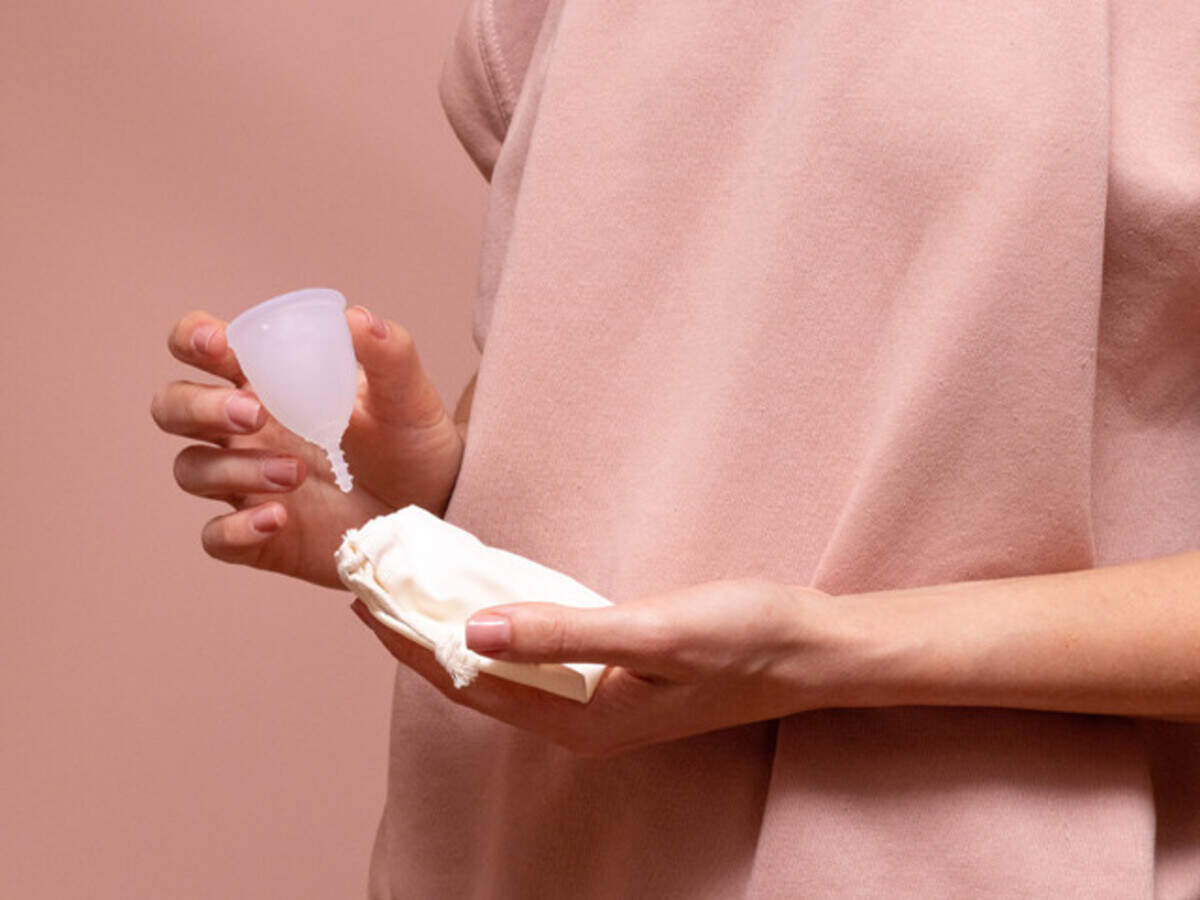
Cotton underwear helps keep the area dry and prevents infections. Avoid tight clothing that traps moisture and heat.
4. Dispose of Used Products Safely
Wrap used sanitary products properly before disposing of them. This ensures hygiene and environmental cleanliness.
H2: Diet and Nutrition During Menstruation
The menstrual cycle affects energy levels and appetite, making nutrition especially important. A healthy diet can help manage cramps, fatigue, and mood swings.
-
Eat iron-rich foods like spinach, lentils, red meat, and dry fruits to compensate for blood loss.
-
Include magnesium and calcium through leafy greens, dairy, and nuts to reduce cramps.
-
Stay hydrated—drink enough water to reduce bloating and headaches.
-
Avoid excess caffeine and salty foods as they can increase dehydration and cramps.
A balanced diet supports hormonal balance and keeps the body energized during menstruation.
H2: Managing Pain and Discomfort
Menstrual pain is common, but it doesn’t have to control your day. Here are simple ways to ease discomfort:
-
Use a heating pad on your lower abdomen to relax muscles and reduce cramps.
-
Engage in light exercise or yoga—gentle movements improve blood flow and reduce bloating.
-
Get enough rest—fatigue can make symptoms worse.
-
Try herbal teas like ginger or chamomile for natural relief.
If pain is severe or accompanied by dizziness, nausea, or heavy bleeding, it’s important to consult a doctor.
H2: Tracking Your Menstrual Cycle
Tracking your period helps you understand your body better. Apps and journals can help monitor:
-
Cycle length
-
Flow intensity
-
PMS symptoms (mood changes, cramps, cravings)
-
Ovulation period
This not only helps in planning your activities but also detects irregularities like missed periods or excessive bleeding early.
H2: Mental and Emotional Well-being
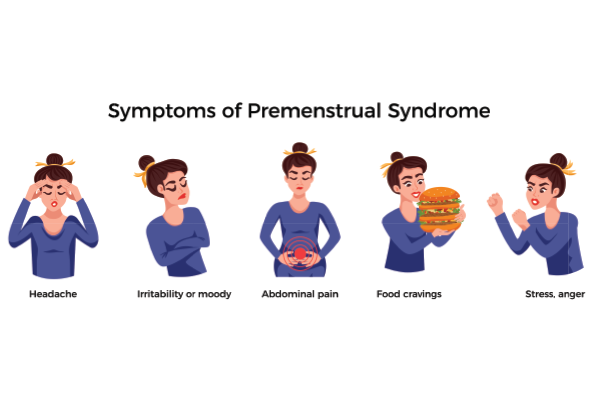 Menstrual health is not just physical—it’s emotional too. Hormonal changes can lead to mood swings, irritability, or anxiety. Here are ways to care for your mental well-being:
-
Acknowledge your emotions instead of ignoring them.
-
Practice relaxation techniques like deep breathing, yoga, or meditation.
-
Engage in self-care—take a warm bath, listen to music, or rest when needed.
-
Talk openly with friends or family if you’re struggling emotionally during your period.
Emotional awareness helps women manage PMS better and feel more in control of their cycles.
H2: Breaking the Stigma Around Menstruation
Even today, many cultures treat menstruation as taboo. This silence can cause embarrassment, shame, and misinformation. By educating both men and women, we can normalize conversations about periods.
Schools, families, and workplaces should promote open discussions, ensure access to sanitary products, and support menstrual leave policies where needed. Awareness is the first step toward empowerment.
H2: When to See a Doctor
Not all menstrual irregularities are normal. Seek medical advice if you experience:
-
Periods lasting longer than 7 days
-
Extremely heavy bleeding
-
Severe cramps unrelieved by home remedies
-
Missed periods for more than 3 months (without pregnancy)
-
Unusual discharge or odor
These could be signs of conditions like PCOS, endometriosis, or hormonal imbalances that need medical attention.
H2: Educating the Next Generation
Teaching girls about menstruation before their first period helps them feel confident and prepared. Parents, teachers, and health workers should ensure young girls understand what’s happening in their bodies and how to take care of themselves.
Promoting menstrual literacy builds healthier attitudes and encourages respect for women’s natural cycles.
Conclusion
Menstrual health awareness is not just about managing periods—it’s about embracing womanhood with knowledge, dignity, and self-care. By understanding our bodies, practicing good hygiene, eating right, and breaking social taboos, we can make menstruation a positive and empowering experience.
Let’s continue the conversation about menstrual health—because awareness today builds a healthier, more confident tomorrow.