

You worked hard to lose weight: Here are 11 tips to keep the pounds off

How to Maintain Weight Loss
Key Takeaways:
- Maintaining weight loss is possible with long-term healthy habits like exercise, healthy eating, and good sleep.
- If you’ve hit your goal weight, try setting new goals to help you stay accountable.
- Weight regain is common after stopping weight loss medication, but you may be able to prevent it by maintaining a healthy lifestyle.
- To best avoid weight regain, consider staying on a long-term maintenance dose of your weight loss medication.
You’ve hit your weight loss goal — cheers to you! But now, how do you maintain weight loss? Though it’s common to regain weight after a weight loss journey, healthy habits and self-monitoring can help you maintain your new weight and keep taking care of your health.
Ahead, we’ll offer detailed guidance on how to maintain weight loss. And btw, these tips go for whether you lost weight with or without weight loss medications.
This article was reviewed by Craig Primack, MD, FACP, FAAP, FOMA.

Image Credit: Jorge Elizaquibel/istockphoto.
How to Maintain Weight Loss: 11 Tips
You’ve probably already made some healthy lifestyle changes that helped you lose weight in the first place. Those same changes can help you manage your weight in the long run.
“If you’ve lost a lot of weight and haven’t been at this weight for years, I encourage you to consider staying on your medication,” says Craig Primack, MD, a specialist in obesity medicine. “If you don’t want to stay on the full dose or even want to stop, let’s wean it down.”
Dr. Primack adds that it’s okay to go back on a weight loss medication after stopping for a while. “If you gain even 5 pounds of weight back, let’s just put you right back on the medicine that works for you.”
Here are a few tips to help you maintain a healthy weight now and in the future.

Image Credit: Drazen Zigic/Istockphoto.
1. Move Your Body Every Day
If you’ve built up a fitness routine, keep it up! If your routine could still use some work, now’s the time to kick things up a notch.
According to the Centers for Disease Control and Prevention (CDC), people who maintain their weight loss long term tend to do 60 to 90 minutes of moderate-intensity activity most days.
Don’t worry if this sounds like too much; you can break it up throughout the day.
So, try to keep as active as possible with standing, walking, and stretching breaks during your day alongside structured exercise sessions, like going for a run or hitting the gym.
Since we’re talking about building lifelong habits, consider tying out different forms of physical activity to find things you actually enjoy. This could be hiking, swimming, cycling, dancing, CrossFit, or tennis — whatever keeps you coming back day after day, week after week.

Image Credit: Depositphotos.
2. Set New Goals
If you feel motivated when working toward a goal, consider setting a new goal once you’ve reached your goal weight. It doesn’t have to be weight-related — it could be anything that helps you maintain your new healthy lifestyle.
For example, you could train for a 5K or commit to cooking a new healthy recipe for the family every weekend.

Image Credit: standret/Istockphoto.
3. Eat Nutritious Foods (Especially Protein and Fiber)
You don’t need to follow a strict diet plan or cut out entire food groups to maintain weight loss. In general, you’ll want to eat nutritious, whole foods, such as:
- Fruits
- Veggies
- Lean proteins
- Healthy fats
- Low-fat dairy products
- Whole grains
There are a few key healthy eating habits you might want to consider. Research shows that those who maintain their weight:
- Have healthy foods ready at home
- Regularly eat breakfast
- Eat lots of vegetables
- Prioritize protein
- Eat less sugary and fatty foods
After weight loss, levels of the hunger hormone ghrelin can be higher, and levels of the fullness hormone leptin can be lower. This might leave you with a higher appetite in general. And it can make weight maintenance harder.
To help, prioritize foods high in protein and fiber, both of which can help you feel fuller for longer.
Go for lean sources of protein like:
- Chicken
- Turkey
- Fish
- Tofu
- Tempeh
- Low-fat yogurt
And get fiber from:
- Fruits
- Veggies
- Legumes, like chickpeas, beans, and lentils
- Whole grains, like oatmeal, brown rice, and quinoa

Image Credit: DepositPhotos.com.
4. Prioritize Sleep
A good night’s sleep is key to sustainable weight loss and weight management. Getting enough rest can keep your appetite in check and your motivation high. Shoot for seven to nine hours of sleep a night.
Here are some tips to help you sleep better:
- Keep your sleep-wake times as regular as possible.
- Avoid large meals, alcohol, and caffeine too close to bedtime.
- Make your bedroom cool, dark, and quiet.
- Keep your bed for sleep and intimacy only.
- Get up and do a relaxing activity if you can’t fall asleep.
5. Consider Staying on Weight Loss Medication if You Take It
If weight loss medication has been a part of your journey, know that you don’t need to come off it once you reach your goal weight.
Weight loss drugs like Ozempic®, Wegovy®, and Mounjaro® are designed with long-term use in mind. You can stay on a maintenance dose to help manage your weight in the long run.
Your medication can help you stick to the nutritious food choices that are key to a long-term weight loss maintenance plan.
Your prescribing healthcare provider can help you figure out if staying on weight loss medication is right for you.

Image Credit: Daniel de la Hoz/istockphoto.
6. Keep Stress Under Control
Stress can spike your appetite, increase food cravings, disrupt sleep, and promote weight regain. Keep it under control with stress-management techniques.
That can include:
- Progressive muscle relaxation
- Journaling
- Exercising
- Meditating
- Spending time in nature, with pets, or with family and friends

Image Credit: Liudmila Chernetska/istockphoto.
7. Keep an Eye on Portion Sizes
When actively trying to lose weight, you might be super focused on portion control and making sure you’re not eating too much for your body’s needs. This is a habit you’ll want to keep up as you work at maintaining weight loss.
Serving yourself smaller portions to start with, and going back for seconds only if hungry, can help you avoid overeating. Eating more slowly can also help you feel fuller.
After losing weight, your caloric needs might be lower than what they were before your weight loss journey. This means your body may now need smaller portions and foods lower in calories (but still high in nutrients).
To maintain your weight, eat about the same number of calories your body uses each day. You don’t need to count calories, but to eat the right amount, tune into your natural hunger cues. Eat when you feel physically hungry and stop when you feel full.
If you find tracking helpful, consider counting calories for a week to see if you’re eating the right amount to maintain your weight. This can also give you a better idea of what portion sizes look like for this new weight maintenance chapter.

Image Credit: DepositPhotos.
8. Eat Mindfully
Eating mindfully involves being more present when eating and noticing how you feel. This can be particularly helpful if you find yourself eating when:
- Stressed
- Sad
- Bored
- Lonely
- Tired
When you reach for a snack, check in with yourself and see if you’re physically hungry. If you are, grab that snack. If not, look for a way to soothe the triggering emotion that doesn’t involve food.
You may have worked on eating triggers during your weight loss journey, but it’s something to always be aware of. Emotional eating can happen to the best of us. Being more mindful about when and what you’re eating can help stop it from becoming a daily habit.

Image Credit: StockRocket/Istockphoto.
9. Get Expert Support
Don’t be afraid to reach out to experts to help with weight management — either those you found valuable when losing weight or new support systems.
Depending on whether you’d benefit from support with nutrition, exercise, or the mental side of weight management, consider working with a:
- Dietitian to plan nutritionally balanced meals
- Personal trainer to keep up your exercise habits
- Healthcare professional specializing in weight loss
- Therapist to work on stress management or managing food noise
Weight management doesn’t end when you hit your goal weight. Getting expert support doesn’t have to end there, either.
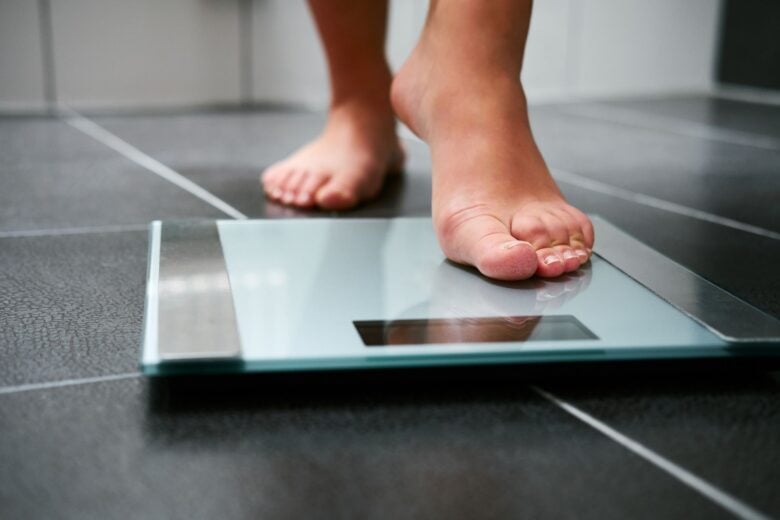
Image Credit: Rostislav_Sedlacek/istockphoto.
10. Monitor Your Weight
We’re not saying you need to jump on the scale every day. But those who successfully maintain their weight report self-monitoring as a weight maintenance strategy.
So, checking in on your weight or health in some way can help you stay accountable to your goal of maintaining your weight loss.
Consider:
- Regular check-ins with your healthcare provider
- Chatting with a weight loss buddy each month
- Monitoring your progress in a private journal
You don’t have to track your weight. You could monitor your body fat percentage, waist circumference, or health markers like blood pressure or cholesterol levels. Or you could aim to stay within a healthy body mass index (BMI) range.

Image Credit: nd3000/Istockphoto.
11. Build Healthy Habits for Life
Weight management isn’t something you can check off and forget about — it’s a lifelong commitment to healthy habits.
It might get easier with time, as those habits become more automatic. People who successfully maintain weight loss for 2 to 5 years have better odds of maintaining it long-term. So hang in there!
Think about the foundations of weight management and how you can build them into your life in a way that works for you. That includes:
- Eating nutritious foods
- Moving your body regularly
- Getting enough sleep
- Managing stress
Don’t get discouraged if you struggle to eat healthily when traveling for work or get out of your workout routine over the holidays. Recommit to your healthy habits when you can to stay on track.

Image Credit: Rostislav_Sedlacek/istockphoto.
How to Maintain Weight Loss: Final Tips
Weight loss maintenance can feel daunting, but it’s doable. You’ve proven to yourself you can lose weight — now it’s time to switch to maintenance mode to keep up your hard work.
Here’s the bottom line:
- Eat a balanced, healthy diet. Fruits, veggies, whole grains, healthy fats, and lean proteins should all feature in your meals and snacks. Tune into your natural hunger cues to avoid unhealthy eating patterns and monitor eating triggers, like stress and boredom.
- Move every day. Find exercise you enjoy and make it a part of your weekly schedule. Beyond structured exercise, be more active in your daily routine, like standing and walking more.
- Build healthy habits for life. Nutrition, movement, sleep, and stress management are your new BFFs. Build sustainable routines you can stick to for the long haul to maintain your weight and continue taking care of your body.
When lifestyle changes aren’t enough, weight loss medication can be useful for some people to help with weight loss and weight maintenance.

Image Credit: eternalcreative / iStock.
FAQs
Get answers to frequently asked questions about how to maintain weight loss.

Image Credit: Prostock-Studio / iStock.
How do I maintain my weight after losing it?
You can maintain your weight after losing it by making healthy lifestyle habits a part of your routine. That includes eating a balanced diet full of nutritious foods, moving your body most days, getting enough sleep, and managing stress levels.

Image Credit: eternalcreative / iStock.
Do most people who lose weight gain it back?
It’s common to gain weight after losing it. Research shows that about 20 percent of people with overweight are successful at long-term weight loss. (This means losing at least 10 percent of their initial body weight and maintaining the weight loss for at least a year.) Still, regaining weight isn’t inevitable. Lifestyle changes can help you maintain weight loss progress.

Image Credit: Panupong Piewkleng / iStock.
Why is maintaining weight loss so difficult?
Maintaining weight loss is difficult. Your body can adapt to weight loss by reducing how many calories it uses each day and increasing your appetite. Some people also make lifestyle changes to lose weight that aren’t sustainable in the long term.
- Related: 10 Healthy Snacks for Weight Loss
- Related: TDEE Calculator
Like MediaFeed’s content? Be sure to follow us.
This article originally appeared on ForHers.com and was syndicated by MediaFeed.org.